
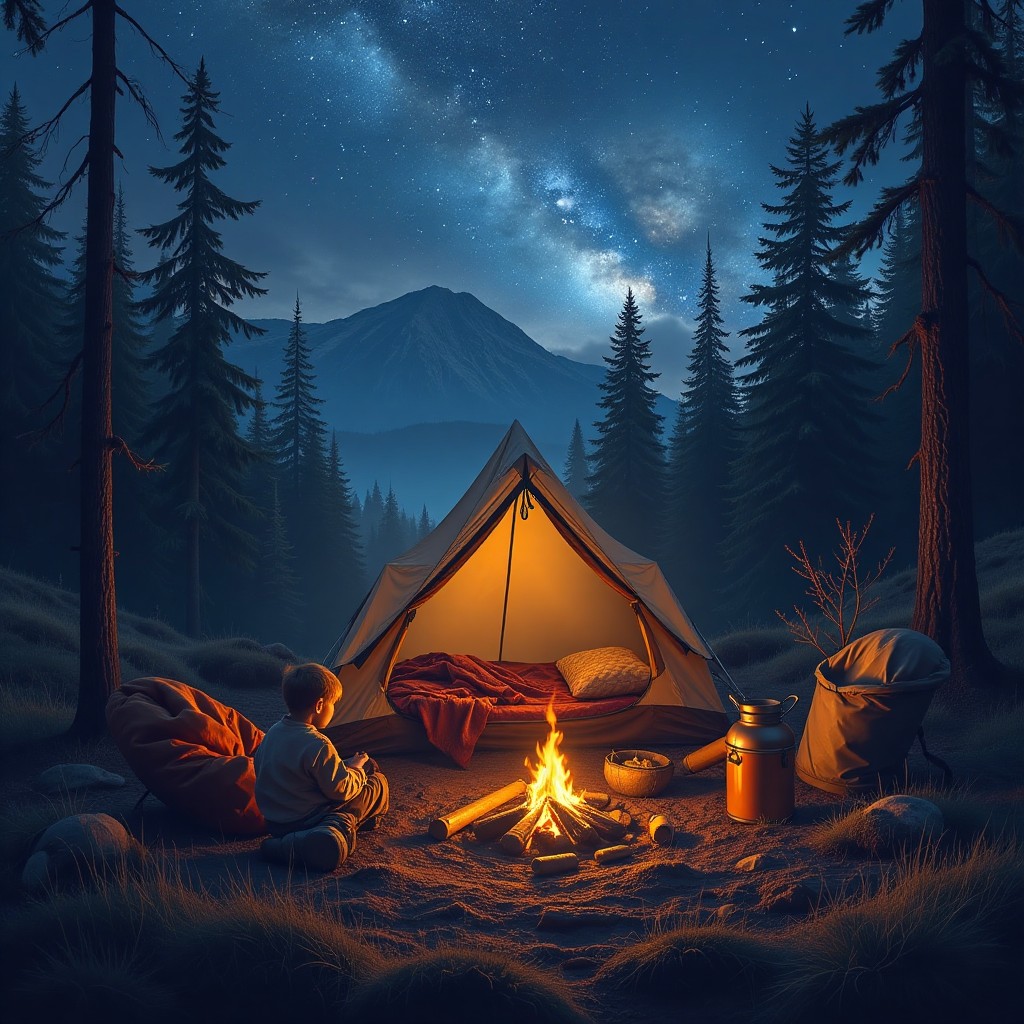
Packing for a camping trip doesn’t have to break the bank. A little planning goes a long way in ensuring you’ve got all the essentials without overspending. Think of gear as an investment that could be shared or rented when you’re just starting. This way, you can focus on enjoying your time with family rather than worrying about finding a place to store all that gear later.
First up, let’s talk about basic camping equipment. At the top of the list is a sturdy tent that suits the size of your family. While fancy models are out there, even budget options can be durable when chosen wisely. Opt for a tent with good weather protection, because the last thing you want is to be soaked during an unexpected downpour. Research and perhaps borrow a good tent from friends if buying isn’t feasible just yet.
Sleeping bags are another biggie. There’s a wide range of these from $20 to hundreds for high-end materials. For family trips in mild weather, basic models should do just fine. Extra blankets can add comfort and warmth without requiring a second mortgage.
Cooking gear is vital for a good camping experience. Consider a basic camp stove or a tariff-free alternative like a portable BBQ. You can get these borrowed or at a garage sale for a fraction of the cost. Bring along reusable utensils and a cooler for perishables, and you’re all set to whip up delicious meals amidst nature.
Checklists are your new best friends. They help streamline packing and avoid unnecessary panic buying at the last moment. Jot down every item needed for your trip and cross them off as you pack. This way you ensure you take only what you need and nothing goes overlooked. Plus, it helps stick to your budget since you won’t feel tempted to buy extras just in case!
Choosing Affordable Campsites: Locations & Amenities
In the quest for the perfect family camping spot, it’s all about balancing the cost with the features that matter to you. It doesn’t have to be an expensive quest, as there are plenty of affordable campsites in public parks that offer great experiences while keeping your budget intact.
Publicly managed campgrounds are often the go-to option for budget-conscious campers. These sites are usually well-maintained with basic amenities that make camping with kids much more manageable. Look for places that provide clean restrooms, water access, and sometimes even ranger-led kids’ programs which can be entertaining and educational without extra costs.
One handy tip? Consider camping during off-peak times. Not only do you avoid the crowd congestion, but you also might score lower fees and better site selections. Plus, the quieter environment often makes for a more relaxed family experience out in nature.
Trying regional treasures can pay off if you’re willing to explore a bit. Some areas are famous for their affordable camping options. For example, many state parks come loaded with natural beauty and activities, offering a versatile combination of affordability and adventure. Check websites for local discounts and park specials to snag a deal.
When picking a campsite, also factor in family-friendly amenities like playgrounds, close trails, and educational centers. These spots are like hitting a jackpot. They add an extra layer of value by keeping everyone entertained without needing to spend on additional activities. It’s all about maximizing the fun while minimizing the cost.
Planning Meals that Delight: Budget-Friendly Camp Cuisine
Campfire meals can be as exciting as they are economical. A bit of planning ahead ensures that everyone eats well without the trip budget taking a hit. Start by embracing simple recipes that maximize flavor with minimal ingredients. Think grilled skewers, foil-wrapped potatoes, or even campfire chili. These meals require fewer items and can often use what you already have at home.
Pre-trip meal planning is your best friend for keeping costs down. Make a meal schedule and a shopping list to keep things organized and efficient. Picking recipes that share ingredients means you’ll buy less overall, and there’s minimal chance of food going to waste. This strategy cuts down shopping time too, so more time is spent enjoying the outdoors.
Kids love being part of the cooking process, and it’s an opportunity to turn cooking into a fun family activity. Get the kids involved in tasks like stirring, measuring, or even collecting twigs for the fire. Not only do you get some little helpers, but they also learn basic cooking skills, turning meal prep from a chore into quality family time.
Whether you’re dealing with allergies or picky eaters, don’t worry. Accommodating dietary restrictions doesn’t have to be costly. Opt for versatile ingredients that can adapt to different recipes. Oatmeal or rice, for example, might serve as a breakfast dish one day and a dinner side the next. A bit of creativity goes a long way in keeping things delicious and budget-friendly.
Creating Lasting Memories: Affordable Activities for Families
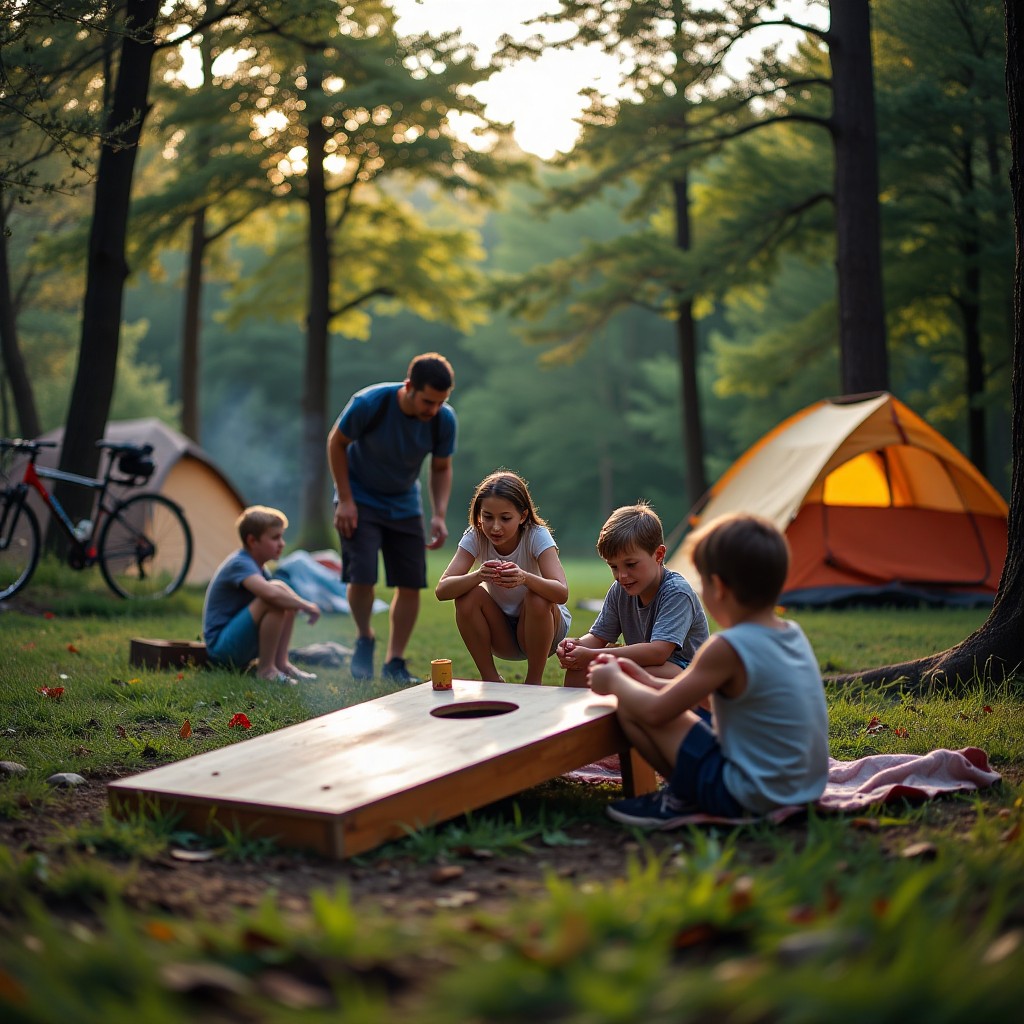
Camping offers a wealth of opportunities for family bonding without costing a dime. Immersing in nature is a big part of the adventure, so lace up those hiking boots and hit the trails. Whether it’s a relaxing stroll or a challenging trek, hiking is one of the best ways to enjoy the scenery and stay active.
Nature scavenger hunts are another fun activity that kids love. Make a checklist of items like pine cones, specific leaves, or animal tracks to spot, turning it into a playful learning experience. It’s both educational and a great way to keep kids engaged with their surroundings.
Stargazing is perfect for those clear nights. Lay back and gaze at the canopy of stars. If you’re not a seasoned astronomer, don’t worry. Apps can help identify constellations, making stargazing sessions interactive and educational.
Incorporating DIY crafts into the camping routine is a fantastic way to nurture creativity. Bring along some basic craft supplies like string, beads, or paint, and have the kiddos make friendship bracelets, painted rocks, or even simple nature journals. These activities keep little hands busy and result in keepsakes that remind them of the fun long after the trip is over.
When night falls and the fire crackles, storytelling becomes the star of the evening. Share spooky tales or weave in some family history. Engaging the kids’ imaginative sides often turns the campfire into the highlight of the trip, wrapping up days of adventure with laughter and shared memories.