
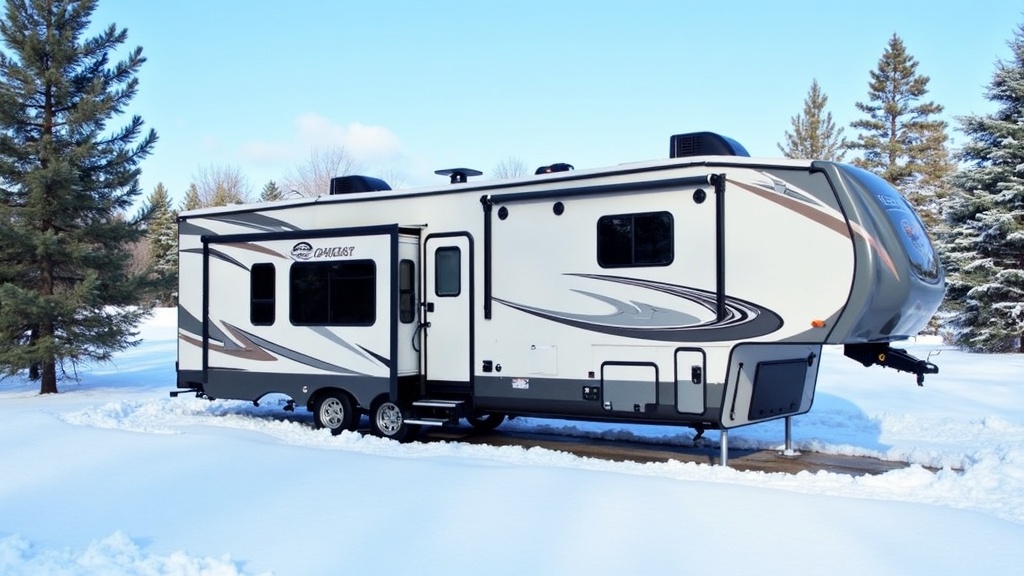
Keeping your RV warm during winter isn’t always as simple as plugging in an extra space heater or piling on more blankets. Cold air sneaks in fast when temperatures drop, and that’s where RV skirting comes in super handy. I’ve relied on skirting plenty of times, especially during Midwest cold snaps, and it’s one of my top recommendations for anyone wintering in their rig. This guide covers what RV skirting is, the reasons you need it, your options, key considerations before you buy, and tips for making the most of your winter setup. No matter your RV style or budget, protecting your investment from harsh weather is a must—and skirting is by far one of the most effective ways to do it.
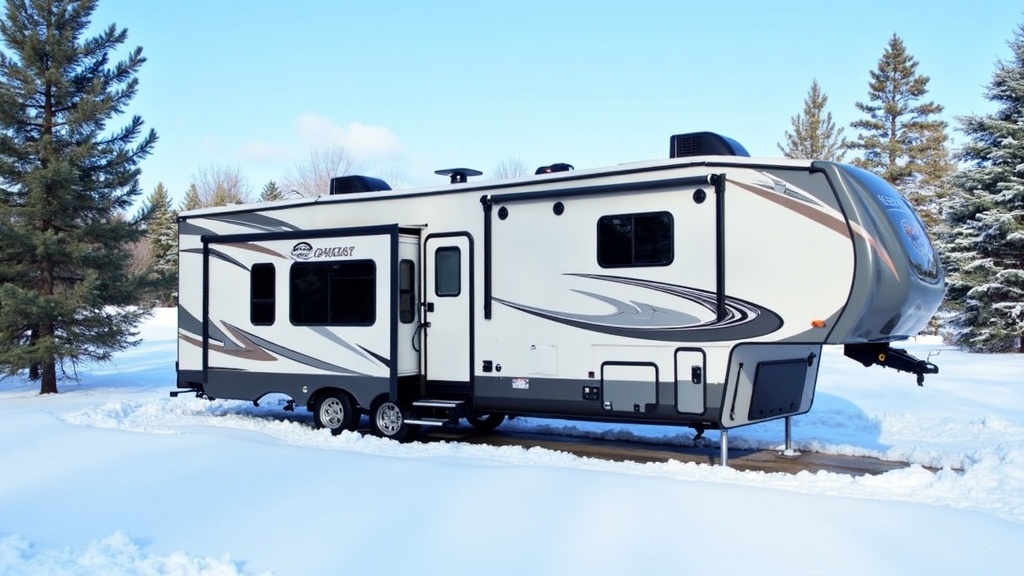
Why Skirting Your RV in Winter Matters
When winter arrives, the difference between a skirted and unskirted RV can feel pretty dramatic. Skirting acts like a barrier around the base of your rig and keeps cold wind from blasting underneath. That helps maintain warmth inside, makes things comfier for everyone, and protects your plumbing from freezing up. It’s a popular trick for full-timers, work campers, or anyone staying in regions that get real winter weather. In addition, it can keep pipes running safely, help keep the chill off the floor, and prevent early morning cold shocks right out of bed.
RV manufacturers didn’t always design rigs with extreme cold in mind, so most RVs have some pretty serious heat loss under the floor. Even trailers built for three seasons benefit from extra help down low. You’ll also see lower propane bills and less burden on your furnace, which is always welcome—especially when you’re managing a budget during a long winter stay. Some RVers report savings of up to 25% on heating costs with proper skirting, and the peace of mind from knowing your pipes and tanks are protected is invaluable.
The Basics of RV Skirting: What It Does
The term “RV skirting” covers any material that forms a temporary wall around the bottom of your RV, sealed up tight against drafts. The main job is to block out wind and trap a layer of warmer air under the floor. This makes basements and plumbing storage areas warmer and keeps tanks above freezing longer. As an added bonus, it can also stop critters and debris from blowing underneath your rig.
- Reduces Heat Loss: Prevents cold from creeping up through your floors, which in turn keeps interior temperatures more stable for longer stretches.
- Protects Plumbing: Shields water lines, tanks, and sewer hoses against freezing temps so you don’t wake up to cracked pipes or leaks.
- Cuts Down Heating Costs: Less cold means your furnace doesn’t have to work overtime. The payoff is less fuel or electricity burned during the coldest months.
- Adds Storage: Sometimes, folks use the area under the skirted RV as extra protected storage for tools or gear—just remember to keep things dry and critter-proofed.
- Reduces Wind Noise: A solid skirt keeps howling wind at bay and can make nights much quieter, especially in blustery areas.
Types of RV Skirting: Material Options and DIY vs. Ready-Made
Not all RV skirts are created equal. Some are budgetfriendly and quick, others are built to last and look sharp. Here are the main types you’ll find, each with their own pros and cons. Whether you prefer a quick DIY project or professional installation, knowing the material options helps pick what works best for your situation:
- Vinyl Skirting Kits: These are custom fit or universal kits made of heavyduty vinyl. Attach with snaps, Velcro, or tracks. They look tidy and are reusable every season, though they require a higher upfront cost. These are great for folks parked in one spot for a whole winter and who want a more permanent solution that’s easy to remove in warmer weather.
- Foam Board (Rigid Panel) Skirting: This style involves cutting rigid foam insulation boards to fit each section under your rig. Lightweight and super effective at blocking cold, although not as tough against wind. It’s easy and affordable, and works well for DIYers. Many people reinforce panels with tape or light framing to help them hold up in rougher weather.
- Inflatable Skirting: Fast to set up; these giant air cushions slip under the RV and inflate to fill the gap. Super portable and pack down small in the offseason. Slightly more expensive, but worth checking out for frequent travelers who don’t want the hassle of storing bulky panels. Their snug fit also helps block drafts and keep critters out.
- Plywood or OSB Panels: Sturdy and heavy, these are sometimes used for longterm stationary setups. Not quick to move and not the prettiest option, but really good for fulltime campers settled in all winter. Proper painting or sealing keeps wood from rotting, and strong anchors can handle heavy winds and deep snowdrifts.
- Homemade Solutions: I’ve seen folks use hay bales, tarps, or even snow piled up around the perimeter. Not the most efficient or tidy, but if you’re caught in a pinch, they can get the job done temporarily. Just be cautious—natural materials like hay attract animals, and snow walls can melt or blow away if a thaw hits early.
Choosing the Best Skirting for Your RV
Picking out RV skirting depends a lot on where you’re staying, how harsh the winter is, and whether you’re willing to DIY or just want something that works out of the box. Before buying or building a skirt, think through these points to make the smartest pick:
- Climate: Colder regions and places with lots of wind need heavier, more insulated skirting. Consider the typical wind speed and how long snow tends to stay on the ground—these both affect what kind of material performs best through the winter.
- RV Size and Shape: Measure the length, height off the ground, and layout of your rig carefully. Slideouts and odd angles can take extra planning. A good fit saves time during install and gives a better seal, which means less cold air slipping silently inside.
- Travel Frequency: If you move campsites often, you’ll want something easy to set up and take down. Lightweight pieces or inflatable styles are especially helpful for snowbirds or workampers who relocate every couple of weeks.
- Local Park Rules: Some campgrounds have restrictions on homemade skirting or require it to look tidy. Check ahead to make sure you’re following all policies, since a warning or notice to remove your skirting midwinter is the last thing you want.
- Budget: There’s a pretty big price range; foam board is cheap, custom vinyl kits can be spendy but last a long time. Weigh up the initial investment against how many seasons you’ll get use from your choice. Sometimes, a pricier option pays for itself in fuel or repair savings by the second season.
- Storage Needs: Think about where you’ll keep your skirting when it’s not on the RV. Some fold up small while others are bulky. If you lack storage space, inflatable or vinyl skirts that roll up can be a big plus.
Getting Your RV Ready: Quick-Start Guide for Winter Skirting
Putting on RV skirting isn’t rocket science, but a little prep goes a long way. Here’s how I usually handle setup once chilly weather rolls in, along with a few pro tips for making a tight, weatherproof fit:
- Clean the Base: Sweep around your rig to clear sticks, rocks, and debris where the skirt will sit. A smooth base helps seal it up tight and prevents sharp objects from puncturing the skirting as temperatures and winds fluctuate.
- Measure Twice: Double check your rig’s perimeter and height so you have enough material, especially if your ground is uneven. Don’t forget to measure over wheel wells and around any slideouts.
- Test-Fit Panels: If you’re using foam board or panel skirting, dry fit everything before making big cuts or attaching fasteners. Adjust where necessary to avoid gaps and shorten install time.
- Seal the Gaps: The tighter, the better. Use tape, insulation foam, or even pool noodles to close up air leaks. These stop under-floor drafts and help preserve precious heat throughout cold snaps.
- Secure Against Wind: Weighted sandbags, tent stakes, or extra clips help keep your skirting from turning into a sail during strong gusts. Double check anchor points after major storms to keep things where they belong all winter long.
Things to Watch Out For: Common Challenges and Solutions
- Condensation: Blocking wind under your RV can trap moisture, leading to mold, rust, or rot. Adding a few vent gaps or using breathable skirting material prevents musty odors and keeps things dry. Periodically peek under the skirt and air out enclosed areas if things start to smell funky.
- Wind Uplift: Skirting can catch the wind like a giant flag. Extra anchors or weights at the bottom edge help stop flapping or, worse, total blowouts. In gusty areas, adding extra weight at each corner usually does the trick.
- Critters: Mice and chipmunks love cozy spaces. Patch any holes, keep things swept, and check skirting for entry points regularly. Use rodent repellents or steel wool in small gaps to discourage unwanted visitors.
- Trip Hazards: Rubber mats or warning markers around the base keep you from tripping over low skirting panels when letting the dog out after dark. These are especially important in snowy or icy conditions, when visibility drops fast.
Dealing with Frozen Pipes and Tanks
Even the best skirting won’t totally keep water lines safe in super low temps. Heat tape and heated hoses make a big difference. I like to pair skirting with an enclosed RV underbelly heater if temperatures are dipping well below freezing for more than a few days in a row. Regularly check both your gray and black tanks for any signs of freezing, and always keep a little antifreeze on hand for emergencies. If boondocking, try to dump tanks before an extreme cold streak so you’re less likely to wind up with a solid block of frozen waste. When in doubt, keep a slow trickle moving through exposed lines or interior plumbing to reduce freeze risk.
Maintaining Your Skirting All Winter
Before serious snow builds up, I knock the powder off the skirting to keep weight from ripping out snaps or supports. After heavy storms or strong winds, I walk the perimeter to spot loose flaps or torn fasteners. Storing a roll of tape or extra clips inside is really useful when you need a quick patch after a winter storm. Inspect for cracks or bends in rigid materials, especially after an ice storm or if snow piles up against one side. Small holes can lead to big drafts, so even quick tape repairs matter until you can patch things for good.
Pro Tips for Maximizing Skirting Performance
Here are a few tricks I’ve picked up that help keep things warmer and stress-free all winter. Paying attention to small details can really make your setup work better through the coldest months:
- Double Up: Add a layer of bubble insulation or rigid foam behind vinyl skirting for extra warmth in deep cold spells. The added insulation can make a surprisingly big difference, especially if wind is a major problem at your campsite.
- Color Counts: Darker skirting absorbs more sunlight, giving you a small heat boost during daylight hours; this might not seem like much, but every little bit helps fight off the chill.
- Check for Air Leaks Monthly: Quick inspections pick up gaps as things settle or after wind-whipped storms. If you notice drafts, take the time to tuck in loose edges, reseal seams, or add extra fasteners where the material has pulled free.
- Keep Entrance Flaps Clear: If your skirting has an access flap for storage, make sure it doesn’t freeze shut or get blocked by snow drifts. Shoveling around these areas after storms saves time searching for tools or winter gear later.
- Watch for Tears: Rodents, pets, and even snow shovels can puncture materials. Keep patch kits handy, including weather-resistant tape, a small pair of scissors, and replacement fasteners so you can fix damage right away.
FAQs: Skirting for Your RV in Winter
Q: What’s the easiest skirting to set up for beginners?
A: Foam board skirting is simple, lightweight, and cuts to fit most rigs. Inflatable skirting is quick too, costs more, but is compact for storing in travel season. Whichever you pick, make sure to get the right size for your rig to avoid big gaps and wasted time adjusting panels.
Q: Should I use both skirting and heat tape?
A: Yes, pairing skirting with heat tape on exposed water lines gives you the best shot at a freeze-free winter in really cold places. Heated hoses work well too if you want extra peace of mind about your water supply and drains.
Q: How do I store RV skirting in the off-season?
A: Vinyl and inflatable skirts roll or fold up easily; give them a quick wash and let them dry before bagging to keep away mold. Foam or wood panels stack in storage sheds or the back of a truck bed. Keeping things dry and critterfree during storage means they’ll last a lot longer and be ready to go at the first sign of frost next year.
Q: Can I make my own skirting on a budget?
A: Definitely. Home improvement stores have foam insulation, taped seams, zip ties, and basic hardware for a DIY project. It’s not fancy, but with careful measuring, you can do a lot for not much cash. Watch for off-season sales or leftover construction materials for even more savings.
Choosing, Using, and Maintaining Skirting: Final Thoughts
Skirting your RV during winter is one of those upgrades that pays off every time temperatures start dropping. I’ve spent enough chilly nights in an unskirted RV to know the difference a good wind-block makes. With the right materials and prep, you’ll stay warmer, spend less on heat, and protect your rig from cold-weather damage. Whether you go for a pro vinyl kit or build your own skirting from foam board, the real win is a toasty, comfortable RV all winter long. Don’t forget, each rig is unique, and your adventures may take you to all kinds of wintery places. If you’re willing to put in the effort, a well done skirting job helps make RV life possible even during the harshest stretches of the year—and that makes every cup of cocoa or movie night just a little more rewarding and a lot more comfortable on a frosty night.