
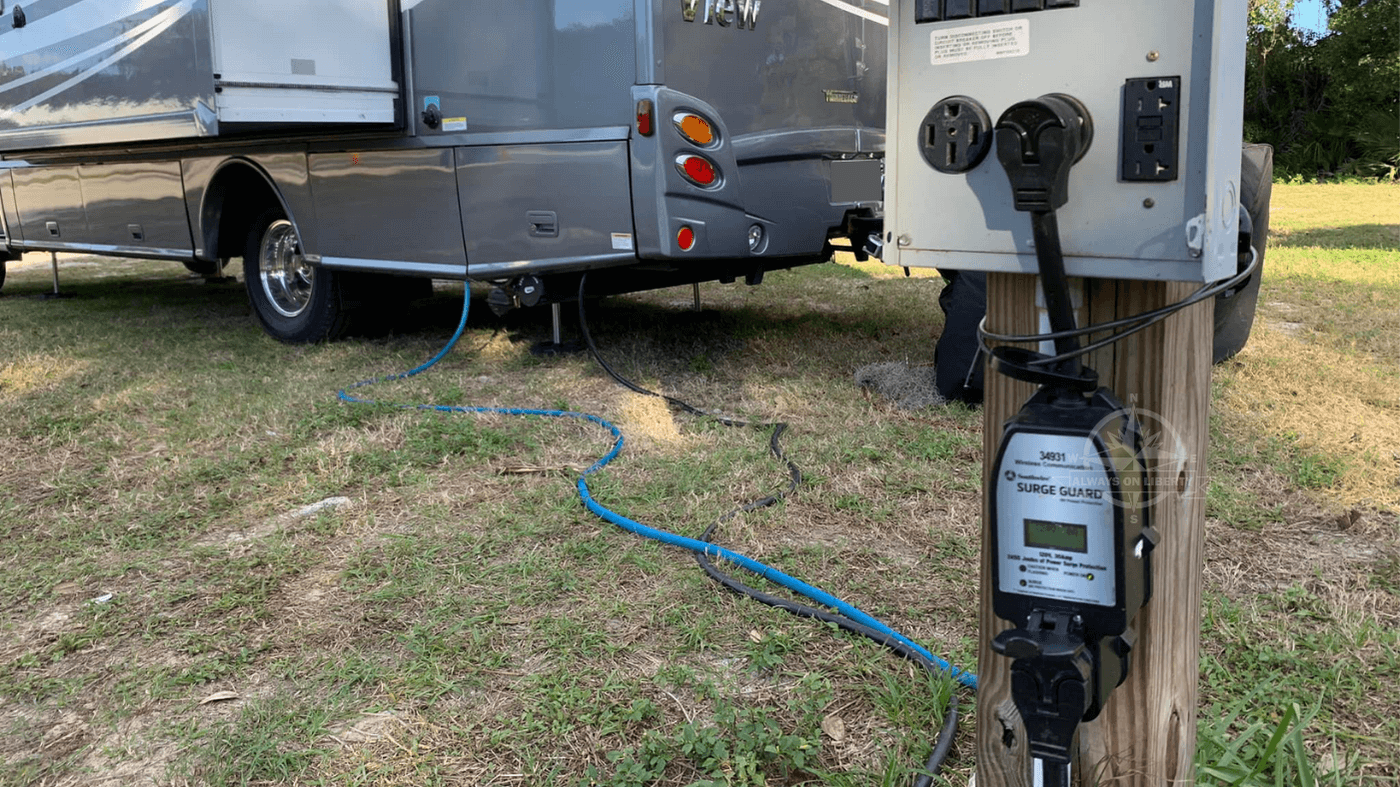
Taking your RV on the road means lots of adventures, but protecting all those electronics inside is something I never overlook. Power at RV parks isn’t always the cleanest, and random voltage spikes or low power can do a lot of damage. That’s where a surge protector for your RV really comes in handy. If you’re just starting to look into which surge protector to get for your RV, I’m breaking it all down right here so you can make sense of what works, what features to watch for, and how to get the most value out of your purchase.
Why Surge Protection for Your RV Is a Pretty Good Idea
RV surge protectors do more than just guard against sudden spikes from lightning or faulty power grids; they help keep your entire electrical system from getting fried by bad campground wiring, low voltage, and even accidental cross wiring. If you’ve ever seen an air conditioner or refrigerator get taken out by a short power surge, you know it gets expensive fast.
A surge protector acts like a shield, catching unexpected changes in the park’s power supply and blocking the bad stuff before it reaches your RV. I’ve learned that even if a spot looks safe, you can’t see what’s going on at the electrical post. Having an extra layer of security is kind of a no brainer if you want peace of mind.
Basic Types of RV Surge Protectors
Shopping for a surge protector can feel confusing since there are a few styles out there. They fall into two main categories: basic surge protectors and electrical management systems (EMS). Understanding the difference can save you from headaches later.
- Basic Surge Protectors: These block major voltage spikes but don’t do much else. They’re more affordable and great for simple protection against sudden surges.
- Electrical Management Systems (EMS): These take protection up a notch with full monitoring. Not only do they protect against surges, but they also cut off power if voltage drops too low, if there’s an open ground or neutral, or if there’s a wiring fault at the park power source.
I find basic protectors decent for short trips and new rigs, but once the RV gets packed with expensive electronics or you start full timing, stepping up to an EMS is definitely worth it. Brands usually label products as either “surge protectors” or “EMS,” so pay attention to those differences when you’re browsing online or at your local RV supply store.
Key Features to Watch for When Picking an RV Surge Protector
All surge protectors aren’t built the same, and there are a few main things I always look for when picking one out:
- Amperage: RVs usually use either 30amp or 50amp electrical systems. Make sure your surge protector matches your rig, or it just won’t fit or protect correctly.
- Joule Rating: This tells you how much energy the surge protector can absorb before it’s toast. Higher numbers mean better protection and a longer lifespan. Look for at least 2,000 joules, but 3,000 or more is even better for big rigs.
- Voltage Protection Range: EMS models monitor for both surges and low voltage, not just big spikes, so they step in any time something’s off with the power.
- Weather Resistance: Portable protectors sit outside at the power pedestal, so make sure yours is sealed up well if you’re camping where it rains or snows. Hardwired models go inside your RV, which is pretty handy for long term setups.
- Display Panel: A clear digital readout lets you see voltage, error codes, or issues at a glance. This is really helpful when something goes wrong and you want to know why.
Matching your surge protector to your power needs and rig size is pretty important, and checking out user reviews or talking to other RVers can help double check that the model you’re considering holds up well over time.
Most Popular RV Surge Protector Models Worth Checking Out
There are a few brands and models that seem to pop up everywhere in reviews and forums. I’ve had good luck with these and see a lot of people trusting them in campgrounds across the country:
- Progressive Industries: Their EMS and surge protectors show up a lot for being reliable and built tough. The EMSPT30X (for 30amp) and EMSPT50X (for 50amp) models both have easy to read displays and weatherproof cases. They also offer hardwired versions if you want something you just “set and forget.”
- Southwire Surge Guard: These surge protectors and EMS units are super popular and also have models for both 30amp and 50amp RVs. The 34930 (portable 30A EMS) and 34950 (portable 50A EMS) both get good feedback for fast response, and their locking brackets keep them from getting stolen.
- Hughes Autoformers: Hughes offers solid surge protectors with replaceable modules, which is great if you take a big surge and don’t want to toss out your whole protector. Their Power Watchdog series has Bluetooth, so you can check on power with your phone, which is pretty handy for tech lovers.
I usually recommend comparing what features matter most to you and fitting your choice to your typical camping lifestyle. Occasional weekenders might do fine with a basic model, but if you’re living on the road or spend time in parks with questionable wiring, it’s worth spending a little more for advanced protection or Bluetooth monitoring.
How to Use Your RV Surge Protector Safely
Getting the surge protector set up is pretty straightforward, but there are a few tips I keep in mind to avoid any hiccups:
- Double check that power at the pedestal is switched off before you plug in the surge protector. This keeps you from getting shocked if there’s a wiring issue.
- Connect your surge protector to the pedestal, then plug in your RV cord. Let the surge protector run its checks. With an EMS, you’ll see it test for errors before passing power on.
- Keep an eye on any error codes or warning lights, and if something seems off, don’t ignore it. Sometimes you’ll need to try another pedestal or ask campground staff to fix things.
- Use a lock or cable to secure portable models. Theft isn’t super common, but not unheard of at busy campgrounds.
For hardwired models, I always recommend using a pro installer unless you’re totally comfortable working with RV wiring. Safety comes first, especially around live power.
Common Problems With RV Park Electricity and How Surge Protectors Help
RV park power isn’t always as reliable as you’d think. I’ve run into all these problems at one time or another, and a surge protector helped save my gear every time:
- Low Voltage: This happens when too many folks are plugged in, especially on hot days when everyone runs their AC. Low voltage can wreck your appliances, but EMS models will cut power to avoid damage.
- High Voltage Surges: Bad wiring or lightning strikes can send a ton of juice through the line. Good surge protectors block it before it can do harm.
- Open Ground or Reverse Polarity: Messed up wiring means your RV could get dangerous current running through parts where it shouldn’t. Surge protectors spot this right away and won’t let power reach your rig until it’s fixed.
Sometimes you won’t even know there’s a problem with the power until an appliance stops working. That’s a nasty surprise, so plugging in a protector before you connect anything else helps save you from a lot of expensive surprises.
Portable vs. Hardwired Surge Protectors: Pros and Cons
You get two main styles of surge protectors for RVs: portable units that plug in at the power pedestal, or hardwired units installed permanently inside your RV. Both styles keep your gear safe, but there are pros and cons to each:
- Portable: Easy to move from one RV to another or use with a friend’s rig. Great for those who rent or switch vehicles. Setup takes only a minute, but you need to remember to bring it along (and lock it up!).
- Hardwired: Always there, protected from weather and theft. Once installed, you never have to think about it again, and most models add almost zero wait time to power up. They do cost more upfront and need a bit of wiring skill to get in place.
I went portable at first to keep things flexible. Now that I’m full timing and want one less thing to worry about, I upgraded to a hardwired EMS and haven’t regretted it once.
Things to Consider Before Buying an RV Surge Protector
- Budget: You can get a basic surge protector for about $100, but EMS systems can run $250 to $400. It’s a bit to spend upfront, but repairs cost a lot more.
- Type of Travel: If you camp once in a while, a basic model should do. Extended travel or full timing calls for advanced protection.
- RV Size and Power Draw: Bigger rigs usually mean more electronics. Pair your surge protector with the right amperage and joule rating.
- Ease of Use: Some units have simple indicators, others show full readouts or link to your phone. Decide how much info you actually want or need.
- Warranty and Service: Check the warranty length and what’s covered, as it says a lot about how much faith the brand has in their gear.
Taking some time to match your purchase to your RV habits and budget will keep you happy down the road and less likely to deal with fried electronics or power hiccups when you least expect them.
Advanced Tips for Power Safety and Maintenance
A little extra attention to power safety goes a long way for any RV trip. I always keep these habits in mind to keep everything running smooth:
- Test the pedestal with a simple outlet tester before hooking up your surge protector. It’s a super cheap way to spot obvious wiring problems right away.
- Check your surge protector’s indicator lights (or app, if it’s got Bluetooth) at setup and regularly once you’re plugged in, especially during storms or while running bigger appliances.
- If your surge protector ever “trips,” unplug everything and give it (and the power source) a few minutes before trying again. If you keep seeing errors, ask park management for a new site or professional advice.
- Store portable protectors out of direct sun and rain when not in use, and give the connectors a quick wipe now and then to avoid corrosion.
The right habits and a good surge protector work together to keep your trips fun, hassle free, and, most important, safe for all the expensive stuff in your RV.
Frequently Asked Questions About RV Surge Protectors
People have a lot of questions before picking out a surge protector for their RVs. Here are a few that I see the most:
Question: Do I really need a surge protector, even if my RV is brand new?
Answer: Yes, RV park power isn’t always reliable, and a new rig is just as vulnerable as an old one. A surge protector gives you an easy insurance policy against power issues.
Question: Can I just use a household surge protector from the hardware store?
Answer: Not really. Those are built for small surges in your house, not the huge voltage swings you get at RV parks. RV surge protectors handle a lot more juice and monitor the full power line coming into your rig.
Question: How will I know if my surge protector is working?
Answer: Look for the indicator lights or digital display. Most show green or “OK” if things are safe and throw a code or red light if there’s a problem. Some Bluetooth models even send alerts to your phone.
Question: Will surge protectors block all issues?
Answer: They help with surges, low voltage, and basic wiring issues at the hookup. But nothing replaces keeping an eye out for old wiring and having a backup plan if your power suddenly cuts off.
Final Thoughts on Picking the Right Surge Protector for Your RV
Choosing an RV surge protector isn’t about buying the most expensive tech or the model with the flashiest features. It’s about protecting your gear and making your trips a whole lot less stressful. Matching the right protector to your amperage, travel style, and budget keeps both your gadgets and your adventure on track. A little research now means you’ll spend more time relaxing at your campsite and less time worrying about what’s happening with the power outside.
Happy travels, safe hookups, and a big thumbs up to anyone making safe power a priority in their home on wheels!