
Heading out for an offgrid camping trip means being away from all the usual plug in power sources. Solar panels are pretty handy for keeping your camping gear powered up without lugging around a generator or piles of batteries. Here’s what you should know to get set up and make the most out of solar power when camping off the grid.
Getting to Know Solar Power for Camping
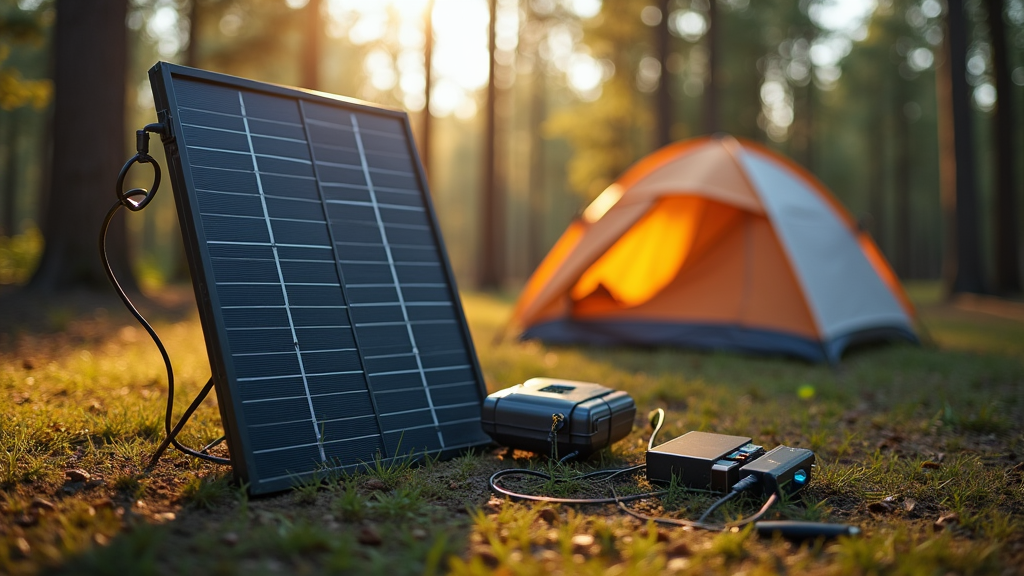
Solar panels convert sunlight into electricity, and that’s a game changer for folks who like to stay offgrid. Modern solar technology is lighter and easier to use than ever. Over the last decade, sales of portable solar panels have climbed, with more campers looking for a quiet, ecofriendly way to charge the stuff they rely on—think phones, battery packs, lanterns, and even portable fridges.
Before getting into it, it helps to know the basics. Solar kits for camping generally include one or more panels, a charge controller, and sometimes a built in battery. These kits offer flexibility, so you can keep things running with just a few hours of good sunlight.
Choosing the Right Solar Setup for Your Gear
Picking the right solar panel setup depends on what you want to power and how much juice you need daily. There are plenty of options out there, from small foldable panels meant for topping off a phone, to larger briefcasestyle panels that can power coolers, lighting, or an entire workstation.
- Portable Panels: Foldable and compact, great for charging smaller electronics on the go.
- Semi rigid Panels: More durable, but still light enough to move around camp. Good balance for those hauling a bit more gear.
- Complete Solar Generators: These come with panels and a builtin battery bank, offering plug and play convenience. They’re heavier but are really useful for bigger power needs.
The panel’s wattage rating tells you how much power it can make in perfect conditions. For most campers, a 50 to 100 watt panel is a solid starting point. If you’re running a fridge or more than just a few devices, going up to 200 watts (or pairing a few panels together) makes things easier.
Key Terms and Parts to Understand
- Watt (W): The measure of total power the panel can produce.
- Charge Controller: Keeps your battery from overcharging. This is a must for safety and efficiency.
- Battery Bank: Stores power for use after dark or on cloudy days. Lithium batteries are popular since they’re light and last a long time.
- Inverter: Converts the stored battery power (DC) into usable AC power for typical plugs.
Setting Up Your Solar System at Camp
Getting started with solar power at camp doesn’t require a ton of technical knowledge, but a little setup makes a difference:
- Pick a Sunny Spot: Find an open, sunny area clear of heavy shade and set your panel to catch as much sun as possible.
- Connect to Your Battery: Use a charge controller in between to safely charge your battery pack or a compatible solar generator.
- Plug In Your Devices: Once the battery’s charging, you can plug in devices directly or through the inverter for AC powered items.
Panels work best when angled to face the sun directly, so repositioning them once or twice through the day gets you the most charge. If you’re packing up for a hike, leave your panel set up with your battery charging safely inside your tent or vehicle.
What to Think About Before Buying Camping Solar Panels
Solar gear for camping isn’t always cheap, so it’s smart to match your setup to your real needs. Here are a few things to weigh:
- Power Needs: Make a list of the things you want to charge (phone, laptop, lights, etc.), add up their daily usage, and get a rough total in watt hours (Wh).
- Portability: Foldup panels are lighter and easier to move but usually have less wattage. If you’re in a car or van, rigid panels with higher output may be more practical.
- Weather Resistance: Look for panels and batteries with solid weatherproof ratings, especially if you camp where rain or dust is common.
- Expandability: Some campers start small and add more panels or batteries over time. Kits with modular options can grow with your needs.
Careful research helps buyers pick gear that actually fits the way they camp instead of overspending on unused capacity.
Power Needs: How to Estimate Your Usage
Check the labels or manuals for your gear, or look up the typical power draw online. Phone charging might be only 10 to 15 watt hours a day, but a portable fridge could use upwards of 300 to 500 watt hours per day if you run it nonstop. Lights, fans, speakers, and laptops each add a bit more. Aim for a panel rating that makes at least as much as you typically use, with a bit extra for cloudy days.
Weather and Positioning
Cloud cover, trees, and the time of year all affect how much power your panels will actually collect. Portable panels can be moved to wherever the sun is brightest, but leaving them in the same spot all day can cut your total energy badly. An adjustable stand or simple propping with rocks or logs works fine to get a better angle on the sun. Tracking the sun’s movement throughout the day ensures your panels are exposed to sunlight for as long as possible. If you’re camping in the colder months, remember that shorter days and lower sun angles mean you’ll want to maximize every ray.
Battery Storage Tips
A good battery ensures you have power at night or when it’s cloudy. I’ve found lithium batteries to be worth the slightly higher price for camping, thanks to their fast charging and higher capacity, which mean less fussing over your system. Make sure your battery setup never sits in direct sunlight or overheats, since that can shorten its life. Always store your battery in a cool, dry place. If you’re camping for more than a few days, check the battery’s charge level every evening and consider carrying a backup power bank just in case.
Common Issues to Watch For
Using solar offgrid does come with some learning curve, so here are problems many campers run into and how to handle them:
- Underpowered System: Running out of power early means you probably need more panel wattage or an extra battery. If you add new gadgets to your campsite, it helps to upgrade your solar kit too.
- Panel Placement: Not enough sunlight, shade from trees, or a panel facing away from the sun will cut your power sharply. Move your panel now and then for the best exposure.
- Batteries Not Charging: Doublecheck your connections, and look for frayed cables or blown fuses if charging stops. Some charge controllers have a reset button or light telling you what’s wrong.
- Overdrawing Your Battery: If you use more power than you store, batteries can drain to zero, which can damage them. Most modern setups shut off before this happens, but it’s smart to keep an eye on usage.
Clever Tricks and Tips for Better Offgrid Power
Getting more out of your solar system doesn’t have to be complicated. Here are a few moves that have worked well for me and other campers:
Charge During Peak Hours: Solar panels work best from late morning to midafternoon. Move your panel for maximum sun in that window; you’ll notice your devices charge up much faster.
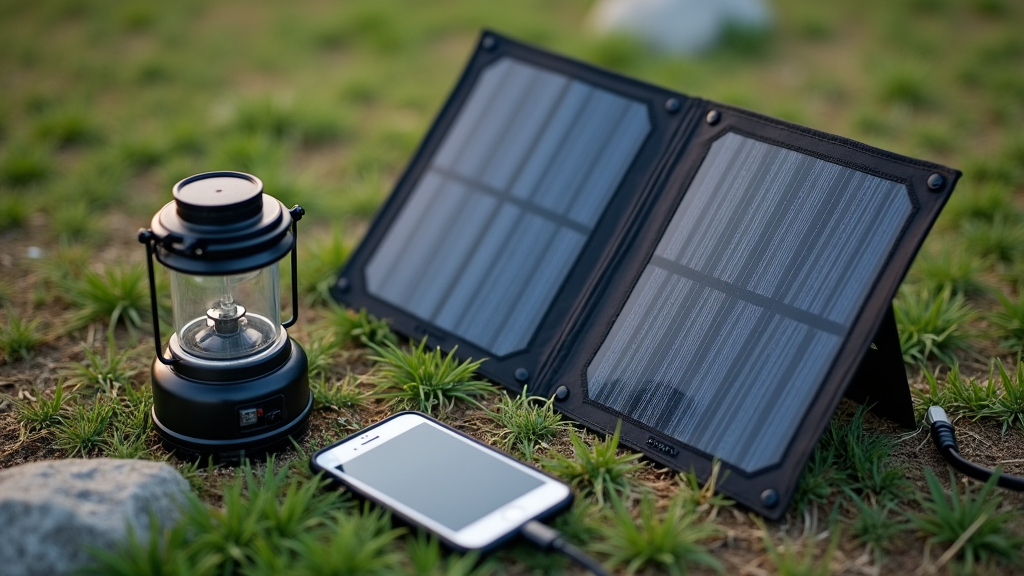
Use Low Draw Gadgets: LED lanterns, USB powered fans, and efficient laptops use way less power than older versions. Upgrading gear pays off by needing less juice each night.
Monitor Your Battery: Many solar batteries and controllers come with displays showing how much power you have. Regularly checking this keeps you from running unexpectedly low.
Stack the Charging: Plug in devices in order of urgency, or when the sun’s strongest. I like to top up my phone and lights midday, then focus on bigger stuff like coolers in the afternoon.
Avoid Overcharging: Although charge controllers help prevent it, keep an eye on your devices and disconnect them once they are fully charged, especially if you’re using sensitive electronics. This practice helps extend battery life for both your gear and your power bank.
Group Charging Gear: Use a multicharger hub to power several devices at once. This can help you make the most of sunny hours. Make sure the hub can handle the total current draw. Always double check that all devices are connected securely to prevent interruptions.
Keep Panels Clean: Dust, pollen, or dirt can reduce your panel’s efficiency. Use a soft cloth to wipe the surface in the morning before you set them out. Even a little debris can reduce your daily harvest.
Use Shade Wisely: On hot days, set up your tent and seating area in the shade but place your solar panel as far into the sun as possible. If possible, use extension cables from the panel to your gear or battery, so the sensitive electronics remain cool and out of the direct sun.
Practical Uses for Solar Power at Camp
Most offgrid campers start small and scale their solar systems once they realize how much more comfortable camp life can be with reliable power. Here are a few ways solar panels make a real difference:
- Charging Electronics: Phones, cameras, tablets, GPS devices, and even rechargeable walkie talkies all stay ready.
- Running Portable Coolers: Keep your food fresh for days or even a week, especially in hot weather.
- Lights and Fans: LED lights and portable fans keep the tent cool and cozy at night without worrying about batteries.
- Medical Devices: For some campers, power for CPAP machines or emergency radios offers peace of mind.
Some campers hook up their solar system to run radios for weather reports or emergency charging for an electric bike. Flexibility is one of the best parts. You get to decide what’s important for your trip. If you plan longer offgrid adventures, you might even consider powering small appliances or tools for repairs around the campsite. Solar can make remote backcountry experiences safer and more enjoyable for the whole group. The calm and quiet operation brings a new level of relaxation to your escape from civilization.
Frequently Asked Questions About Solar Panels for Offgrid Camping
Here are questions I hear a lot from new campers and my own answers to help you plan your trip better:
How much solar power do I really need?
Start by adding up the daily power usage for your must have devices, then add about 25% for cloudy days or new gadgets. For weekend trips, a 50–100W panel and a 300Wh battery bank work for light use. Heavier users should go higher.
Can I use solar panels in the shade or on cloudy days?
You’ll still get some power, but production will be much lower, sometimes half or less. If you expect a lot of cloud cover, bring a slightly bigger system or use your battery bank as a fallback.
Is it safe to leave my panels out all day?
Most panels are weather resistant but double check the manual before leaving them in rain or heavy weather. Wind can knock panels over, so secure them well or tuck them away in bad conditions.
Can portable solar panels damage my electronics?
Panels with a good charge controller are safe for phones, lights, and batteries. Plugging high powered gear directly into an unregulated panel is risky, so always use the included controller or charging pack.
Final Thoughts
Packing solar panels for offgrid camping helps you stay connected, comfortable, and safe without carrying lots of extra batteries. The right setup for you really depends on your style of camping and what you want to power. Once you get the basics sorted out, you can upgrade your kit or scale it down for quick overnights or extended trips. Going solar means more freedom to explore, plus fewer worries about finding a power outlet miles from the nearest road. Whether you’re alone or with a group, solar opens up new possibilities and a deeper connection with the outdoors—no power cords required.