Camping can be an exciting way to reconnect with nature and enjoy a simpler way of life. For beginners, choosing the right gear can seem overwhelming. I have spent a lot of time researching and trying out various items, and in this article, I share my tips for making smart choices when buying camping equipment. Having the right gear helps you stay comfortable, safe, and can really make your trip more enjoyable by reducing stress and letting you focus on the moment.
Essential Camping Equipment for Beginners
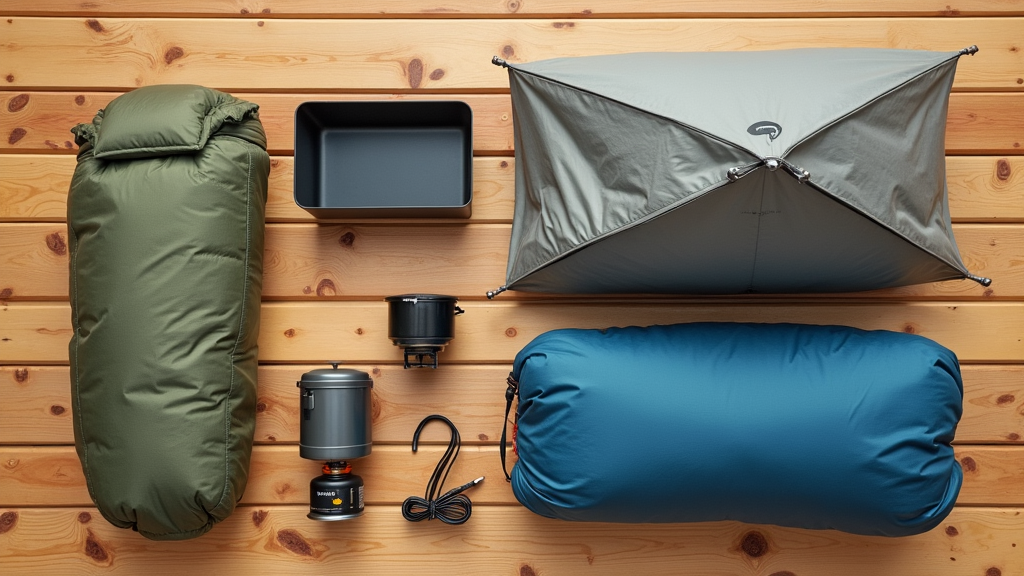
When setting out on your first camping trip, there is a list of items that you should consider as your basic gear. I always suggest starting with a few must-have items that cover your shelter, comfort, cooking, and safety needs. A good quality tent, an insulated sleeping bag, and a reliable backpack form the foundation for any camping adventure. This equipment not only provides you with a temporary home away from home but also ensures you can face variable weather conditions with confidence.
Tent selection is one of the most very important decisions for a camper. Look for tents that are lightweight and simple to set up. They should offer effective waterproofing and good ventilation, making them practical for different climates. Although a high-end tent may be tempting, there are plenty of affordable models available that deliver excellent performance for beginners without overwhelming your budget.
Sleeping bags come in a variety of insulation types and temperature ratings. For those just starting out, a bag rated for moderate temperatures is a smart choice because it works well in many environments. I recommend testing your sleeping bag at home before your trip to ensure it provides the warmth you need on cooler nights.
Don’t forget about your cooking gear. A portable stove, lightweight cookware, and reusable utensils are essential for preparing meals outdoors. If weight is a concern, look for compact stoves and multi-use tools that don’t compromise on performance. Having gear that serves more than one function means you can pack lighter while still having everything you need.
To give you extra perspective, spending a little additional time understanding your lifestyle and the specific challenges of camping can really give a boost to your planning process. Consider how your gear will be used on different trips, whether it’s a short weekend getaway or a longer exploration into nature. The more you know about your own requirements, the easier it is to choose equipment that checks every box.
Planning Your Camping Trip Gear: A Step-by-Step Guide
Before you leave for your adventure, it is important to meticulously plan what you need for your trip. With an increasingly broad range of camping products on the market, making a checklist can save you from buying unnecessary items. I find that planning helps me focus on the essentials and avoid being overwhelmed by too many choices.
Here are some steps I recommend to help you get started:
- Assess Your Trip Needs: Think about the type of camping you will be doing. Will you backpack deep into the wilderness, or will you set up camp near your car? The nature of your trip will dictate what gear you need, especially regarding weight and durability. Taking the time to really assess your circumstances will help drive your planning.
- Create a Gear Checklist: Write down every item you believe you might require. This includes hydration packs, portable stoves, headlamps, and first aid kits. A checklist ensures that you don’t leave behind something essential and helps you track what you already own versus what you need to acquire.
- Research Products: Spend time reading reviews and checking product specifications. It is a good idea to compare different models so that you can opt for the best quality within your budget. Look into feedback from other campers and note what works best in various weather conditions.
- Test Your Gear: Once you have all your camping gear in hand, try setting up your equipment at home. This trial run shows you if everything works as expected and highlights potential problems before you’re out in the wilderness. A small practice session can prevent big headaches on your trip.
- Pack Strategically: Learn how to pack your gear so that it is both accessible and well-organized during your trip. Efficient packing not only reduces stress but also makes maximum use of limited space in your backpack or car. Take time to plan the order of items so that you can quickly get to what you need without unpacking everything.
These steps have helped me plan trips that are organized and stress-free. I’ve also learned that a well-thought-out checklist can serve as a guide for future trips, allowing you to gradually refine your list as you become more experienced in the outdoors.
Expanding on this, remember that good planning is like laying down the foundation of a sturdy structure. Every detail you include now can prevent unexpected challenges later. Spend some extra time reviewing weather forecasts, map out your route, and consider contingencies. Doing so not only smooths the way for your trip but also adds to your confidence as an outdoor enthusiast.
Considerations and Challenges When Choosing Camping Gear
There are several factors to weigh when choosing camping equipment, especially if you are new to outdoor adventures. The market for camping gear is filled with options, and this can leave beginners second-guessing what they really need. I have faced similar challenges and learned that focusing on a few practical aspects can simplify the decision-making process.
- Weight and Portability: Since many beginners eventually take up backpacking, it’s a great piece of advice to choose lightweight items. Gear that is too heavy will make it difficult to move comfortably over long distances or uneven terrain. Always keep in mind that every extra ounce can add up when you’re on the move.
- Durability and Weather Resistance: Camping gear is exposed to the elements, which means it must be durable enough to withstand rain, wind, and even harsh sunlight. I recommend equipment that is built with reinforced materials and effective waterproof coatings. This protects your investments and ensures your gear remains reliable through varying conditions.
- Cost vs. Quality: For beginners, it is often wise to avoid the most expensive items right away. Extremely cheap products might not hold up over time, whereas quality gear can come at a reasonable price if you know where to look. Balancing cost with quality means you get reliable equipment without overspending.
- Ease of Use: Complex gear can be frustrating when you’re out in nature. Items that are user-friendly with clear instructions help guarantee that your first camping experience is smooth and hassle-free. Look for products with intuitive designs so that you can concentrate on enjoying the trip rather than working through complicated setups.
This checklist of concerns has been an indispensable guide on my own camping trips. Paying close attention to these factors can help you avoid problems like a collapsing tent in a storm or a sleeping bag that fails to keep you warm on a chilly night.
Weight and Portability
Carrying gear that is excessively heavy can disrupt your overall outdoor experience. Beginners should closely consider the total weight of the equipment, especially if you plan to hike extensive trails. Look for items made from advanced, lightweight materials that still provide endurance. Compact, multi-use products are particularly popular among experienced campers, as they switch things up while delivering performance without weighing you down.
Additional tip: Try to pack items that serve multiple functions and can be easily stored. For instance, a compact sleeping pad that doubles as a cushion during the day can save space and add to your overall convenience while on the move.
Durability in Weather Conditions
The weather is unpredictable, and the right gear needs to overcome this challenge. Items like tents and tarps should have a strong waterproof rating, making them resilient against heavy rain. Additionally, equipment with UV protection is ideal if you’ll be camping under strong sunlight. Always check the product details regarding materials and weather durability because this insight can protect your investment.
Many seasoned campers emphasize the importance of testing gear in various conditions—even if it means getting a little wet during practice runs. Such diligence helps ensure that every product you invest in will hold up when nature throws something your way.
Pricing and Value
It can be tempting to buy top-of-the-line gear when there are so many options available. For those new to camping, a practical approach is to invest in items that have solid reviews without breaking the bank. Often, renting equipment or purchasing high-quality secondhand gear can be a good introduction, giving you a chance to upgrade as your needs evolve.
Consider this: spending a little extra time researching deals and promotional periods might score you quality gear at a lower price. It’s not just about spending money—it’s about making a wise investment in your outdoor adventure.
Advanced Tips and Tricks for Selecting Camping Gear
Once you are comfortable with the basics, you might find it helpful to explore additional strategies to refine your camping experience. Over the years, I have gathered advanced insights that make gear selection more personalized and tailored to unique needs.
Focus on Versatility: Choose equipment that can serve multiple purposes. For example, some stoves not only cook food but can also double as portable heaters or offer several heat settings depending on your needs. Versatile gear maximizes your investment on the road and can adapt as your adventures expand.
Invest in Compact Gadgets: Accessories like LED lanterns, portable power banks, and collapsible water containers are essential for convenience. These gadgets are especially useful when traveling light. I often look for items that are both durable and compact to save space, making the most of every inch of your backpack.
Consider Season-Specific Gear: Since weather conditions vary greatly, gear designed for one season might not be suitable for another. If you plan to camp throughout the year, consider items that are made for specific climatic conditions. For example, a four-season tent offers superior insulation compared to a summer model, ensuring safety in colder weather.
Weatherproof Storage: Keeping your gear safe from moisture and dirt is essential. Waterproof bags and containers not only protect your equipment while in storage but also make it easier to organize your items during travel. This additional measure can prevent small issues from turning into major setbacks.
These advanced tips allow you to gradually switch things up from basic to specialized gear as you gain more experience in the outdoors. The extra steps you take now act as a long-term strategy for smoother and more enjoyable adventures in nature.
The Basics: How to Focus on What Matters When Buying Camping Gear
Not every piece of camping gear needs to be high-tech. For beginners, the focus should be on simplicity and reliability. I often emphasize that starting with strong basics can make a large difference in your overall experience. A sturdy tent and a comfortable sleeping bag, for instance, can make restless nights and unpredictable weather far more manageable.
Take, for example, the importance of a user-friendly portable stove. A simple, reliable stove can transform mealtime into a pleasant experience, even if the surrounding scenery is less than perfect. Investing in basic items that work seamlessly together lays the groundwork for building your personal collection of camping essentials over time.
In addition, always consider how each piece of gear fits into your overall camping plan. It isn’t just about owning the equipment; it’s about ensuring that every item contributes to a smoother, safer, and more enjoyable outdoor adventure. Spending a little extra time to research and test these basics can give your trips a noticeable boost.
- Reliable Shelter Options: Tents come in many styles, and it is important to pick one that is easy to pitch and fits your group size. A well-suited tent not only offers proper shelter but also provides a sense of security during your outdoor stay.
- Comfortable Sleeping Arrangements: A quality sleeping bag and a sleeping pad are essential for restful nights. Since sleep is key to enjoying your days outdoors, investing in comfort without adding undue weight is really important.
- Cooking and Food Storage: Preparing meals outdoors can significantly boost your overall trip enjoyment. Effective, easy-to-clean gear such as non-stick cookware and compact stoves contribute to a relaxed atmosphere after a long day of hiking and exploring the surroundings.
By focusing on the basics, you lay a strong foundation that allows you to gradually add more specialized items as your camping expertise grows. Each successful trip builds your confidence and your ability to pick the right gear for future adventures.
Frequently Asked Questions
Below are some common questions I frequently encounter from fellow camping enthusiasts, along with my suggestions:
Question: What is the most important piece of camping gear for a beginner?
Answer: In my experience, a reliable tent tops the list. It provides essential shelter and protection against unpredictable weather. Once you get the hang of setting it up, it proves indispensable on every trip.
Question: Is it necessary to invest in expensive gear right away?
Answer: Not necessarily. It is better to focus on quality, budget-friendly items that serve your core needs. As you gain more experience and confidence in the outdoors, you may decide to invest further in specialized gear.
Question: How can I make sure my gear lasts for many trips?
Answer: Regular maintenance and proper storage are key. I always clean and dry my equipment after use, storing it in a cool, dry place to reduce the risk of damage. This simple routine can prolong the life of your gear significantly.
Question: What should I do if I encounter gear malfunction while camping?
Answer: It is a smart idea to have spare parts on hand, such as extra tent stakes or a repair kit for your backpack. Keeping a small first aid kit geared toward quick fixes can help you address minor issues on the spot.
Wrapping Up Your Camping Gear Adventure
Choosing the best camping gear is a process that evolves as you accumulate more experience. Starting with a strong foundation of essentials and then gradually adding more specialized items has worked well for many, including myself.
Every camping trip is an opportunity to learn and stumble upon what works best for you. Whether it is that reliable tent keeping you dry during a sudden rain shower or the compact stove fueling a warm meal under a starlit sky, excellent gear truly makes all the difference. I encourage you to approach each piece of equipment as part of your overall adventure. Take your time researching, testing, and enjoying the process of preparing for your outdoor escapes.
As you build your collection of camping equipment, your trips will naturally become more comfortable and enjoyable. Exploring different options and experimenting with new tools is a fantastic way to step up your outdoor experience. Remember, it’s not just about owning gear; it’s about creating memorable experiences and learning along the way. Enjoy the ride, and happy camping!
For those who are eager to continue refining their setup, consider keeping a camping journal. Note down what worked and what didn’t, and don’t be afraid to try out new techniques or swap things out as you learn more. Each trip adds layers to your camping knowledge—a next stage of improvement that makes future adventures even better.
Lastly, always be open to revisiting your choices. The outdoors is full of surprises, and what you might consider essential one season may shift as you gain more insight into your needs. Over time, the evolution of your gear collection will reflect not only your growing expertise but also the ever-changing nature of your adventures.