
If you’ve spent any amount of time RVing, you already know that keeping your grey tank clean is a big deal for both comfort and longevity of your rig. The grey tank, which collects water from your sinks and shower, can easily get pretty gross if you let gunk like soap scum, food bits, and grease build up. A dirty grey tank doesn’t just cause bad smells. It can also lead to clogs or even more serious plumbing problems. Over the years, I’ve picked up a few simple but effective ways to prevent those headaches and keep everything running smoothly.
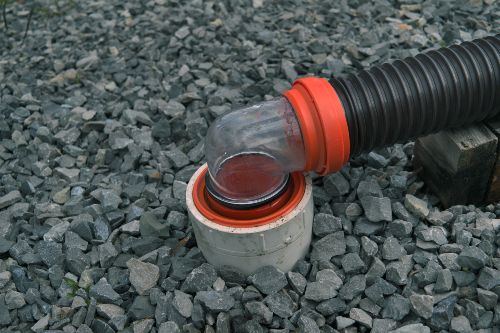
Why Keeping Your Grey Tank Clean Really Matters
It’s easy to underestimate how quickly stuff can collect in your grey tank. Unlike your black tank, which holds waste from the toilet, the grey tank only gets water from your shower, bathroom sink, and kitchen sink. But don’t let that fool you. Soaps, oils, hair, and even bits of food can turn into a slimy sludge over time. When that happens, you might notice slow-draining sinks or foul odors. In serious cases, the buildup could cause sensors to read inaccurately or even block your tank’s outlet.
Regular cleaning and a few good habits help you avoid these problems. Giving your grey tank some attention is just basic maintenance that makes RV life much more pleasant and keeps plumbing repairs away. Plus, sticking to a routine extends the life of your RV’s systems and makes your whole rig feel a lot fresher. It’s about peace of mind, too; knowing your setup is clean lets you focus on your adventure.
Getting to Know Your Grey Tank System
Before jumping into cleaning techniques, it helps to have a basic understanding of how your RV’s grey tank system works. All water from your sinks and showers flows into the grey tank, which sits under your RV. Most RVs have separate tanks for grey and black water. Sensors inside the tank give you a reading of how full it is, but those can get unreliable if buildup coats the tank walls.
The grey tank has a drain valve that you open to empty it, usually at a dump station. If the tank’s not draining well or the sensors aren’t accurate, that’s a sign you’ve probably got built-up residue or debris inside. Knowing what’s connected to your grey tank and what can go down the drain will help you prevent major hassles later. Learn a little about how your plumbing connects to the tank, especially if you plan on maintaining it yourself.
Basic Maintenance for a Happy Grey Tank
Sticking to a straightforward cleaning routine can save you a ton of trouble. Here are a few things I always keep in mind:
- Flush your tank regularly: Even with care, stuff still settles in the bottom of your grey tank. Giving it a thorough rinse every time you dump helps clear out the gunk and prevents buildup in the long run.
- Use plenty of water: While RVing, it’s tempting to skimp on water to save tank space, but not enough water means debris doesn’t wash out properly. Make it a habit to run extra water every time you drain your sinks or shower.
- Watch what you put down the drain: Scrape plates into the trash before washing dishes, and avoid pouring grease, oil, or coffee grounds into the sink. A simple mesh screen over the drain can catch food scraps and hair, which otherwise would add to the mess in the tank.
Good maintenance isn’t just about avoiding problems—it makes the whole RV experience smoother. As you build these habits, you’ll notice your grey tank stays fresher with less effort. And that means fewer headaches and more relaxing trips.
Step-by-Step: Deep Cleaning Your Grey Tank
Sometimes, a basic rinse isn’t enough, especially if you start noticing odors or slow draining. Here’s what I do for a more thorough clean-up:
- Choose a safe tank cleaner: Plenty of commercial grey tank cleaning products are out there, so check for ones that are biodegradable and meant for RV use to protect your plumbing and the environment. If you want a homemade option, a mixture of baking soda, vinegar, and hot water can also handle buildup.
- Fill the tank with clean water: After dumping and closing the valve, run water into your sinks and showers until the tank is at least half full. This gives the cleaning solution enough liquid to mix with and flush through the entire system.
- Add your cleaning solution: Pour the recommended amount of tank cleaner—or your DIY mix—down the drain. For homemade, I usually use a cup of baking soda, then a cup of vinegar, followed by two or three gallons of hot (not boiling) water. Let everything sit for a few hours, or drive around to slosh it inside the tank for better results.
- Flush the system: Once the mixture has had time to work, open the grey valve at a dump station and drain the tank completely. Rinse again by running more water through the system, making sure everything comes out clean and fresh.
This deep cleaning process keeps things working well, tackles odors, and prevents surprises down the road.
Common Grey Tank Cleaning Mistakes to Avoid
There’s lots of advice out there, but it’s easy to slip up. Here are a few things I’ve learned to steer clear of:
- Avoid harsh chemicals: Products like bleach or strong drain openers can harm your RV’s plumbing, seals, and tank sensors. Stick with cleansers made for RVs or gentle homemade solutions.
- Don’t leave your grey valve open while hooked up: Leaving the grey tank drain open at the campground might seem convenient, but only the water exits. Anything heavier settles on the bottom and forms nasty sludge, making later cleaning much tougher.
- Ignoring odors or slow drainage: A little smell or sluggish drain may seem minor, but those are almost always signs that a cleaning is overdue. Fixing the issue right away is much easier than waiting until you have a real mess on your hands.
Following these simple rules pays off over the life of your RV, protecting both the tank and the plumbing.
Tools and Supplies That Make Grey Tank Cleaning Easier
Having the proper gear around helps you handle cleaning quickly. Here’s what I always keep handy:
- Flexible rinsing wand: This attaches to your hose and lets you spray throughout the inside of the tank for a better rinse.
- Sewersafe hose: Having a dedicated hose for flushing keeps your drinking water supplies separate and safe.
- Mesh drain strainers: These catch food scraps and hair before they go down the drain. They’re affordable and great at keeping most debris out.
- Tank deodorizer and enzyme treatments: These break down organic matter and help prevent smells. I use them after each deep clean as an extra precaution.
Other handy items can include gloves, buckets, and RV-specific hose attachments. With these on hand, you’ll be ready for any cleaning job on the road.
How Food, Soap, and Grease Impact Your Grey Tank
One reason grey tanks get dirty so fast is because of what goes down the drain. Even a bit of dish soap or shampoo can combine with fats or oils to create a sticky film inside your pipes and tank. Food particles from dishwashing, plus grease and coffee grounds, add to the mess. If you ignore it, this gunk coats the tank sensors, makes odors, and forms a thick residue that’s hard to remove.
I always suggest wiping plates before washing, using a drain strainer, and regularly flushing with plenty of water. These tiny habits really do make life easier over time and save you major unclogging headaches.
It’s also worth remembering that certain foods and cleaners can break down in ways that intensify buildup. Some natural oils are especially sticky, clinging to tank walls and hoses, so tossing greasy leftovers in the trash makes a much bigger difference than you might expect.
How Often Should You Clean Your Grey Tank?
How often you clean depends on your travel style. For folks using their RV year-round, a monthly deep clean is a good plan. If you’re more of a weekender, clean the grey tank after each trip, or at least every few times you hit the road. Smelling something off or dealing with slow drainage is your cue for a quick clean-up. It’s better to stay ahead of any issues than to wait for major symptoms.
Try marking your calendar or setting a phone alert. Regular care will keep your sensors working, your tanks healthy, and your adventures hassle-free.
What to Do About Persistent Odors or Clogs
Sometimes, even after cleaning, you’ll notice lingering smells or sluggish drains. Here are some backup moves that have worked well for me:
- Backflush the system: Some RVs have a built-in backflush, letting you shoot water into the tank from the drain outlet. If not, pick up a kit to help do the same thing with a hose.
- Try enzyme treatments: These products use bacteria to eat stubborn organic buildup and restore easier flow. Let the treatment work overnight for best results.
- Check the vent pipes: Odors can collect if vent pipes are blocked. Make sure nothing is clogging them—not even spider webs or leaves.
If you’ve given all this a shot and still have problems, check with a pro for a closer look at your tank or plumbing system. Sometimes it’s something you just can’t reach yourself or a hidden issue that needs expert hands.
FAQ: Common Grey Tank Cleaning Questions
I run into plenty of questions from fellow RVers. Here are the most common:
Question: Can I use household cleaners in my RV grey tank?
Answer: Most household cleaners are too rough for RV tanks and plumbing. Stick to tank-specific or gentle homemade cleaners to protect your system.
Question: My sensors are always showing the tank is full, even after I dump. What’s happening?
Answer: Usually, this happens when sludge or residue coats the inside sensors. Deep cleaning and enzyme treatments followed by a good rinse can help get those sensors back on track.
Question: Is it okay to leave my grey tank valve open all the time?
Answer: Not really. Leaving it closed allows water and debris to build up together, making everything flush out when you empty the tank. Leaving it open lets gunk settle, which makes future cleaning harder.
Question: Are there ecofriendly options for cleaning my RV grey tank?
Answer: Yes! Look for biodegradable enzyme treatments or use a homemade mix like baking soda, vinegar, and hot water. These clean well and are gentle on the environment.
Tips for Keeping Your Grey Tank Problem-Free
Prevention always beats fixing big problems. Here are my top tips for easy grey tank care:
- Use a mesh strainer in every sink drain to keep food and hair out of your tank. That tiny move is huge in the long run.
- Flush with extra water whenever possible. While it uses more space in your tank, it really helps wash away stubborn residue.
- Add a monthly tank cleaning to your checklist or reminder list so you never skip it by accident.
- Don’t pour grease, oil, or coffee grounds down the drain. Wipe off pans and empty cups in the trash instead.
- After deep cleans—especially in hot weather—use an enzyme product for extra protection against smells and buildup.
Staying on top of things keeps your RV smelling fresh and the plumbing running just right. Trust me, a little effort up front makes for a smoother adventure every time you hit the road. Your RV will thank you—and so will your nose!