

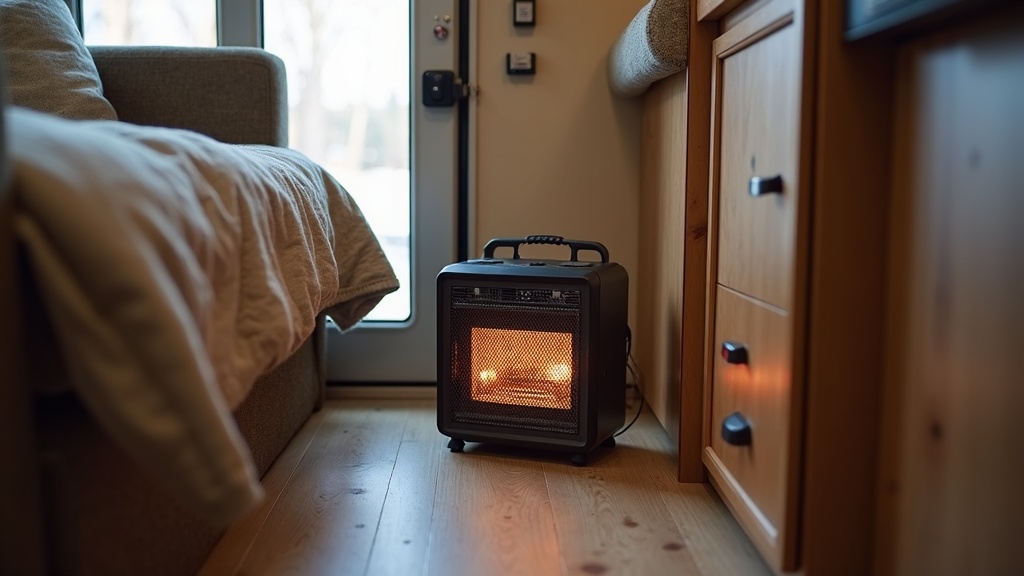
Using a space heater in your RV can be really convenient, especially during chilly nights or when you’re parked in a spot without shore power. But along with the warmth, space heaters bring some hidden dangers that are really important to understand before plugging one in. I’ve spent a fair bit of time living and traveling in RVs, and I’ve seen firsthand that safety isn’t automatic, so knowing the risks and precautions can help keep you and your rig safe.
Why Space Heaters Are Popular in RV Life
Space heaters are a go-to heat source for many RVers, mainly because they’re affordable and easy to use. Sometimes the built-in furnace is loud, eats up propane fast, or just isn’t practical for a quick burst of warmth. Space heaters plug right into shore power and don’t use your propane, so they seem like a smart way to stay warm. I usually see RVers reach for them in early spring or late fall when the temps drop overnight but don’t justify firing up the furnace all the time.
But there’s a difference between what’s convenient and what’s totally safe. Most space heaters are designed for regular houses, not for the smaller, more flammable spaces you find in an RV. That’s where problems can start if you’re not careful. And, because RV interiors are crafted from materials that catch fire more easily than those in traditional homes, a minor slip-up can quickly lead to serious consequences. This means it’s extra important for all RVers to be aware and prepared. Over time, seasoned travelers develop routines and tips for safe space heater use, making cold nights both cozy and secure.
Main Dangers of Using Space Heaters in Your RV
A space heater can be a lifesaver, but it’s got a few risks that are just different when you’re living or traveling in a recreational vehicle. The tight spaces, close quarters, and limited escape routes require extra caution. Let’s look at the big risks you’ll want to keep in mind:
- Fire hazards: RVs are packed with wood paneling, curtains, cushions, and plenty of flammable surfaces. If you set a space heater too close to anything, the risk of fire jumps up fast.
- Carbon monoxide risk: Any propane-powered or fuel-burning heater (even “ventless” ones) can release dangerous carbon monoxide. Even electric ones, if faulty, could cause insulation to burn and produce fumes.
- Electrical overload: RVs usually aren’t wired for many high-wattage appliances at once. Plugging a heater into the wrong outlet or breaker can lead to overheating and possible electrical fires.
- Tip-over accidents: RVs naturally rock and sway, and pets or people might bump a heater. If it tips over and doesn’t have an auto-shutoff, things can spiral quickly.
- Inadequate ventilation: Keeping the RV sealed up tight to conserve heat can mean poor air flow, trapping fumes or allowing oxygen levels to drop if you use anything but an electric heater.
Being aware of these hazards is the first step to using any heater safely on the road. The more you learn and apply, the safer your experience will be.
What to Look For When Choosing a Space Heater for Your RV
Not all space heaters are created equal, especially when you plan to use them in a small, mobile space. When shopping around, I keep these things in mind:
- Automatic shut-off features: The heater will power off if it tips over or overheats, which is crucial in an RV where movement is constant.
- Size and wattage: Smaller models are usually better. Aim for heaters in the 750–1500 watt range, as they’re less likely to overload your electrical system.
- Cooltouch housing: Some heaters get really hot. If you have pets or kids around, or if space is tight, a cooltouch model can save a lot of headaches.
- Ceramic or oilfilled heaters: I go for these because they tend to be safer and more energy efficient for small spaces, plus they provide steady and comfortable warmth in compact interiors.
- UL certification: Always look for trusted lab safety labels like UL, ETL, or CSA marks.
There are a bunch of specific RVready heaters out there, so it’s worth checking reviews and seeing what other RVers are actually using safely. Careful research helps buyers make informed decisions. Learning from others’ experiences can save you a lot of problems on your own ride.
Fire Hazards: The Biggest Space Heater Risk in RVs
Of all the dangers out there, fire risk is easily the biggest concern. A National Fire Protection Association (NFPA) report found that space heaters are the top cause of home heating fires, and RVs are even more vulnerable due to tight quarters and flammable materials. These statistics are worth paying attention to when developing safe habits for your own RV.
Stuffing a heater under the dinette to “save space” or plugging it into a power strip will cause problems. Most RV fires related to heaters start because of basic mistakes:
- Heater placed too close to bedding, drapes, or clothing
- Leaving the heater turned on overnight or unattended
- Using extension cords or multiplug adapters not rated for high current
I always set my space heater on a flat, solid surface far from anything soft or loose. Never on a bed, countertop, or seat cushion. When I head outside or go to bed, the heater turns off, no exceptions.
Some RVers have found that setting up a dedicated heater spot with a marked “no clutter zone” makes life easier and safer. Placing a small floor mat or tray beneath the heater is another trick to remind everyone not to put items too close. Simple practices like these help pets, kids, and visitors stay aware of heater safety.
Carbon Monoxide and Air Quality Issues
If you’re tempted to use a little propane space heater to save on electric costs, air quality risks are worth some serious attention. Any fuel-burning heater releases carbon monoxide (CO), a tricky, odorless gas that can build up fast in a small RV. Symptoms start like a mild cold: headaches, dizziness, or nausea, but CO poisoning can turn deadly quickly.
Even some “ventless” propane heaters say they’re safe inside, but small spaces like RVs are a different story. I always use a goodquality batteryoperated CO detector in every rig I’m in, because it’s the only way to know if levels get too high. Electric space heaters don’t produce CO, so they’re generally safer on this front, but check for any odd burning smells or signs of melting cords.
Make it a routine to test all your detectors at least once a month, and replace batteries twice a year. Also, keep a window slightly cracked if you’re running any combustion appliance, just to stay safe. If you ever feel unwell while using a heater, turn it off and get fresh air immediately.
Electrical System Strain and How to Avoid Overloads
Space heaters pull a lot of power. Most portable models draw between 12 and 15 amps, about as much as a big microwave or hair dryer. That’s a huge load on an RV’s circuits, especially if you’re running other things like the fridge or coffee maker at the same time. I’ve seen plenty of melted plugs, tripped breakers, or even scorch marks because of electrical overloads.
- Plug heaters directly into a wall outlet (never a power strip or extension cord)
- Know what else is running on the same circuit
- Stick to just one space heater per outlet
- Check for models with overcurrent and overheat protection features
If your lights start dimming, breakers are popping, or outlets feel warm to the touch, it’s time to unplug something and reassess. Have an electrician check things if outlets seem loose or damaged, since wiring in a lot of older RVs isn’t up for highcurrent appliances.
Sometimes you need to check your RV owner’s manual for the total capacity of your electrical system to avoid guesswork. Upgrading older circuit breakers or outlets can also smooth the way for safe heater use, and it’s a sound investment for peace of mind during cold seasons.
Basic Space Heater Safety Rules for RVers
There are a few easy habits that make a really big difference. Here’s my go-to checklist whenever I’m using a heater on the road:
- Three-foot rule: Keep everything, especially bedding, towels, paper, and clothes, at least three feet away from the heater.
- Flat, stable surface: Always set the heater on the floor, and never up high where it might get knocked onto something flammable.
- Unplug when not in use: If you’re not around to supervise, shut off and unplug the heater. Even the safest heater can become risky when unattended.
- Don’t use heaters overnight: It might be tempting to stay warm all night, but this is a super common cause of RV fires. Warm up the rig before bed, then turn it off and add extra blankets.
- Inspect before each use: Check the heater, plug, and cord for signs of damage, wear, or scorch marks.
Training everyone in your rig, including guests, on these basic habits is a great way to cut risks. Posting a quick “heater rules” note near your heater can serve as a handy reminder for everyone on board.
Advanced Safety Tips for Long-Term RV Living
If you plan to use your RV heater a lot, or if you live in your rig full-time in cold areas, a few upgrades or habits can seriously add peace of mind:
- Install extra smoke and CO detectors, and change the batteries every six months
- Add a small fire extinguisher near the heater spot, just in case
- Upgrade electrical outlets and breakers to modern, higher-amperage versions
- Get a surge protector for the RV power supply
- Use only heaters with tip-over shut-off and overheat sensors
I’ve met plenty of RVers who invest in small, hardwired heaters made for marine or mobile use. These are pricier but offer builtin safety features designed for tiny, moving spaces. Sometimes it pays to go the extra mile, especially for peace of mind during those subfreezing nights.
RV communities and forums can also be a fantastic resource for tracking down the best equipment, discussing safe upgrades, and learning from others’ experiences in tough winter conditions. Sharing tips in person or online builds safety-focused habits throughout the RV community.
Common Mistakes to Avoid with RV Space Heaters
With all the risks, there are a few mistakes I see newcomers make over and over. Knowing what to watch for can help you avoid learning the hard way:
- Running a space heater while away from the RV. Always turn it off before you leave.
- Plugging in more than one heater to a single circuit. That’ll pop a breaker or worse.
- Using a heater with a damaged cord or plug. Any wear means it’s time to swap it out.
- Covering heaters with items “just for a minute”, as fire can start faster than you think.
- Ignoring warning smells or buzzing sounds. Any odd behavior means something’s wrong.
Avoid these common missteps and you’ll sidestep a lot of problems others have faced. Adding these lessons to your RV safety checklist can save your rig and quite possibly your life.
Types of Space Heaters Best Suited for RV Use
It helps to know your options. Not every space heater works equally well (or safely) in an RV setting. Here are a few types I’ve tried that balance heat, efficiency, and safety:
- Ceramic heaters: Heat up fast and usually have cooltouch cases. Great for focused warmth, and easy to relocate if needed.
- Oilfilled radiators: These are slower to warm, but they hold their heat and don’t dry out the air. Good for longer use, especially when you’ll be inside for a while.
- Lowwattage infrared heaters: Provide gentle, even warmth and usually come with strong safety features. Worth checking out if you need consistent heat during long stays.
I avoid propane heaters unless they’re specifically designed for RV indoor use and I’ve got ventilation sorted out. Electric heaters, when chosen carefully, are usually safer and simpler for most RVers. Taking the time to pick the right style can help you avoid many dangers.
Real-World RV Scenarios and Space Heater Use
My first year RVing through the Southwest, I thought a small $20 ceramic heater would be plenty for chilly mornings, and it worked fine for a while. Then I got lazy and plugged it into a cheap extension cord. Woke up to a weird smell and saw the plastic plug was starting to melt. Always plug directly into the wall outlet, even if it’s inconvenient.
Another time, I watched a neighbor’s RV catch fire at a winter campground. They’d left a radiant heater running to “take the chill off” while out for dinner. When they came back, smoke had filled the cabin. Firefighters said the likely cause was a blanket slipping off a bunk and draping across the heater. That stuck with me. Small actions, like setting clear rules and sticking to them, make a big difference.
On a more positive note, I met fellow travelers who set up a “heater safety kit” near their door with a fire extinguisher, a fresh pack of batteries, and a safety checklist. Not only did this help them stay ready, but it also made guests take their safety routines seriously. Personal stories like these highlight the importance of good habits and a proactive attitude.
Good Practices and Basic Heater Setup for New RVers
For anyone setting up a space heater in their RV for the first time, I recommend:
- Pick a spot clear of furniture, curtains, and bedding, ideally in the main living area
- Plug the heater directly into a dedicated outlet (check your RV’s manual if you’re unsure about circuit loads)
- Test the heater’s safety features like tip-over shut-off before regular use
- Set a timer (plenty of heaters come with this) so the unit shuts off after 1–2 hours
- Keep your fire extinguisher handy and your detectors tested monthly
A little setup goes a long way for comfort and safety. Taking a photo of your heater setup and circuit layout can also make troubleshooting easier if you run into issues down the road.
Frequently Asked Questions
These are some of the questions I get most often from fellow travelers about space heaters in RVs:
Can you leave a space heater on overnight in an RV?
It’s not recommended, even with auto-shutoff features. Firefighters and insurance companies usually advise against it. Use extra blankets or a heated mattress pad instead.
Do I need a special type of space heater for my RV?
It helps to choose models labeled as safe for small or mobile environments, or those with specific RV-compatible safety features. Always pick one with tip-over and overheat protection. Some companies make heaters meant for RV or marine use, and these often offer extra peace of mind.
Is it okay to use a propane space heater inside my RV?
It can be risky unless it’s made for indoor use and you keep a window cracked. Always use a carbon monoxide detector, and never go to sleep with a propane heater running unless it specifically allows for continuous indoor operation. I prefer portable electric options for peace of mind.
What’s the safest way to run a space heater if I travel with pets?
Stick to cooltouch models, keep the heater tightly supervised, and set up a pet barrier if your furry friends are curious climbers. Investing in a heater with a sturdy base also cuts down the chances of accidental tip-overs.
Final Thoughts on Keeping Warm Without Risks
Staying toasty in your RV doesn’t have to mean taking big safety risks. Keep the three-foot safety zone, double-check your power usage, and never leave heaters unsupervised. Adding smoke and CO detectors and keeping an extinguisher close by is just smart. With the right habits and equipment, you can enjoy cozy mornings and nights, and stay protected from the pitfalls space heaters can bring into RV life.
Safe travels and stay warm out there. All it takes is a little planning to keep comfort and safety riding side by side!