
Camping is one of those things that really lets me hit the refresh button. Having the right gadgets and tools in my pack has often made the difference between a fun adventure and a frustrating trip. Whether you’re planning a getaway deep in the woods, or just heading to the local campsite for the weekend, packing smart is pretty important. I want to share some really useful camping gadgets and tools, explain why they’re worth having, and help you pick the ones that suit your next outdoor plan.
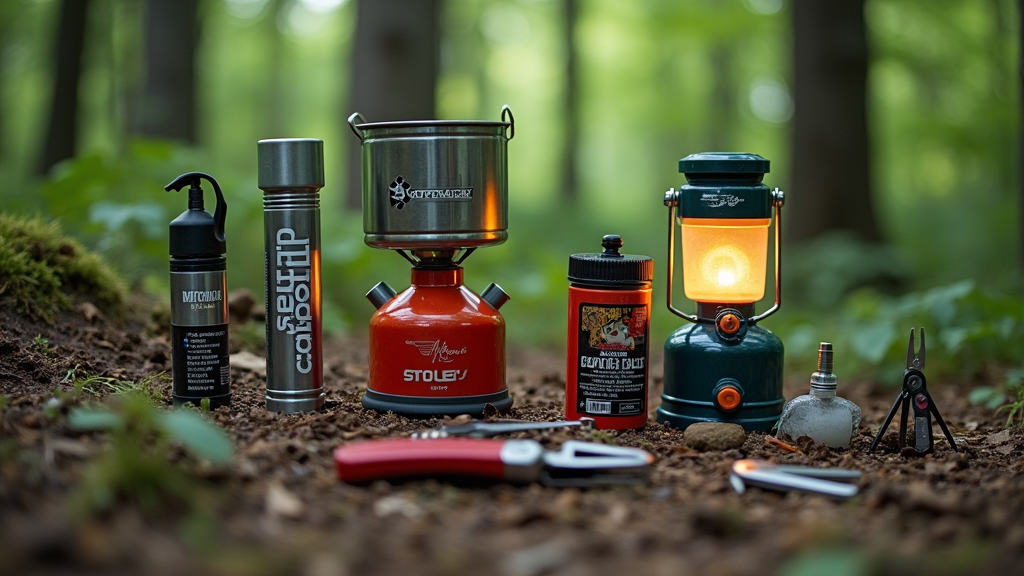
Key Gadgets and Tools Every Camper Should Know About
Getting set up for a trip outdoors is more than just stuffing your sleeping bag and tent into the car. The camping gear scene has gotten pretty wild lately, with all kinds of gadgets making life out in the wild more comfortable, safer, and even tasty. A Statista report predicted outdoor gear sales, including camping gadgets, to keep growing each year. A lot of people are getting serious about having a good time out there.
Knowing what works can help avoid overpacking and disappointment. The coolest part is, even if you’re a total rookie, picking a few practical gadgets can completely change your experience and give you more time to actually enjoy nature. These days, new tools are really designed to help everyone, not just hardcore wilderness pros.
Getting Started: The Basics That Make Camping Easier
Before picking gear, I always think about what I’ll actually be doing and where I’m going. Camping gear shops are full of tempting stuff, but some items really stand out for beginners looking to make their trip smoother. If you’re just starting, keeping it simple with quality basics is always a safe tactic. Here’s what I recommend focusing on first:
- Lightweight Sleeping Pad: Provides real comfort and insulation from cold, bumpy ground.
- Good Headlamp: Leaves your hands free and gives way better light control than a basic flashlight.
- Multitool: Comes in handy for food prep, repairs, and even emergencies.
- Portable Water Filter: Lets you safely refill from rivers or lakes, so you can carry less water weight.
Grabbing these basics helps you tackle common issues like poor sleep, working in the dark, staying safe, and getting drinkable water. Having a good foundation lets you build up your gear collection over time. Also, don’t underestimate the power of a trusty backpack that can fit all your essentials comfortably. A well-designed pack can keep your gear accessible, balanced, and protected from the elements, which helps more than you might think.
Quick Steps for Choosing and Using Camping Gadgets
Picking gear can get confusing, so I use a little routine to keep stuff practical and fun. Here’s how I keep things simple and useful:
- Think About Your Trip: Consider length, weather, and how far you’ll hike. No need for snow gadgets if it’s summer in the valley.
- Check What You Already Have: You might be surprised. Sometimes a kitchen knife works as well as a fancy gadget.
- Go for Quality Over Quantity: One good lantern beats three cheap lights that don’t last the night.
- Test Stuff Before Heading Out: Make sure you know how that stove or water filter works before you really need it.
- Prioritize Safety: Always put items like first aid kits, fire starters, and navigation tools at the top of your list.
This method keeps my pack light, my setup easy, and my head clear when things get busy at camp. Remember too that it can pay off to seasonally review your packing list. What you need for early fall may be very different from what’s needed in spring or when camping at higher elevation.
Things to Think About Before Buying Camping Gadgets
Every camper learns after a few trips that some tools are actually more hassle than help. From personal experience, here are a few common things to keep an eye out for:
- Weight and Bulk: Heavy or big gear slows you down. Look for stuff that packs small and weighs little.
- Backup Power: Batterypowered gear (lanterns, GPS, even heated blankets) is great until they go dead. Rechargeable battery packs or solar chargers are pretty handy for longer trips.
- Weather Resistance: Not all gadgets are designed for rain or extreme temperatures. Waterproof, durable materials keep your gear working when the weather turns rough.
- Compatibility: Some gadgets only work with special fuels or replacement parts. Picking gear that takes regular batteries or can use common fuel can make emergencies a lot easier to handle.
Weight and Bulk
Nothing ruins a beautiful hike like a pack stuffed with gear you don’t need. Keeping your checklist trimmed to lightweight and compact tools means you’re less tired and have more room for snacks (my top priority). Look out for newer gadgets marked as ‘ultralight’ which can make a big difference for backpackers. Even sturdy reusable water bottles now come in lighter, more ergonomic designs that are easier to carry over long distances.
Backup Power
I learned the hard way once when my camp lantern ran out of juice halfway through a chilly night. Now I always pack a small power bank and a crankpowered flashlight, just in case. Some solar lanterns also double as phone chargers; that’s pretty slick for longer trips where you need to top up devices. Don’t forget to fully charge everything before you head out, and if space allows, toss in a few spare batteries for good measure.
Weather Resistance
Camping gear that handles rain, mud, or frost can save you a lot of trouble. I tend to stick with brands that test their gear for outdoor use. Nobody wants a lighter that refuses to work after a little drizzle or a stove that won’t light in the wind. If you’re unsure about the reliability of a gadget, look up customer reviews of it being used in real outdoor scenarios, especially under harsh weather conditions.
Compatibility
Stoves that only use special fuel cans or water filters that need tricky parts can add stress to your trip. Gear that works with widely available batteries, fuel, or filters tends to last longer on the trail and saves you from hunting down rare supplies. If you want truly convenient gear, opt for things that use USB charging or have parts you can replace easily, so you’re not caught off guard.
Choosing things that are tough, simple, and easy to recharge or refuel keeps you ready for anything the outdoors throws at you. A little research up front will save you hassle—and possibly your whole trip—down the road.
Top Camping Gadgets That Make Camp Life More Fun
Once you’ve got the basics covered, adding a few cool camping gadgets to your kit can make your trip even more fun and comfortable. Here are some options I really enjoy, especially when I want a bit of convenience away from home:
Portable Coffee Maker: Freshbrewed coffee in the forest is nextlevel cool. Compact, handpress styles work great and don’t need electricity.
Collapsible Camp Sink: Handling cooking or washing up isn’t a pain when you can pop open a quick, foldable basin.
Inflatable Solar Lantern: These charge up all day and put out soft, reliable light at night (and they weigh almost nothing).
Miniature Camp Stove: Some models fold up to palmsize and can boil water in just a couple of minutes, making them perfect for fast meals or tea at midnight.
Bluetooth Speaker: For casual nights at camp, these can add some music to your hangout, just don’t blast the wildlife. Keeping volume reasonable helps you enjoy nature and keep the peace with fellow campers.
If you want to add even more nextlevel cool to your setup, you can try a solar panel charger for all your devices or a hammock that doubles as a bug net. Some campers also love bringing along a compact projector for sharing movies on tent walls after sunset.
Frequently Asked Questions
Everyone has different questions before heading out for their first camping trip. Here are some things I’m often asked about camping gadgets and tools:
Question: What’s one gadget every camper should bring?
Answer: A headlamp. I’ve used mine way more than any other gadget; for cooking, reading, hiking back from sunset, and emergencies. It’s worth spending on a good one.
Question: Can I rely on a phone GPS while camping?
Answer: Phones are helpful, but battery life and signal can disappear fast in the wild. I always stash a physical map and compass in my bag, and consider a standalone GPS if going way off the beaten path.
Question: Are portable power banks useful for short trips?
Answer: Yep. Even for one-night trips, I pack a little battery bank for my phone, lantern, or camera, just in case. They’re light, cheap, and handy for unexpected needs.
Camping Gear That Really Works. A Practical List
Here are some tried and true gadgets and tools that keep cropping up at my campsite—items that really work under pressure and make outdoor life more comfortable, safer, or just downright fun:
- Lightweight Tent: Keeps you dry, warm, and safe at night.
- Rechargeable Lantern or Solar Light: Makes moving around camp at night much safer and easier.
- Weatherproof First Aid Kit: For treating cuts, bites, headaches, and more. Always near the top of my pack.
- Waterproof Lighter or Firestarter: A must for cooking, heat, or emergencies, especially when the weather is bad.
- Multitool or Camp Knife: Handles a little of everything; food, repairs, kindling, you name it.
- Portable Water Filter System: Keeps you hydrated and safe from river or lake water without the weight of carrying extra bottles.
- Foldable Cooking System: Compact stoves and mess kits make it easy to eat well without bulky pans and pots.
You might also want to include a compact, allweather blanket, which serves both as emergency shelter and added insulation at night. Packing a small repair kit (duct tape, spare cord, extra tent stakes) lets you handle surprises like ripped tents or loose straps right away.
Trusted Resources for Gear and Advice
Finding the right camping gadgets means checking trusted sources and reviews. I usually rely on a mix of tried and tested outdoor groups, specialist sites like REI (rei.com) for product info and reviews, and unbiased YouTube reviewers who actually use gear in the wild. Forums like r/CampingandHiking on Reddit are great for real user feedback, and major gear review sites like OutdoorGearLab have super detailed, practical breakdowns.
Spending a few minutes double-checking reviews or looking through user tips can spare you a lot of hassle. It’s also good to ask more experienced friends; they usually have smart ideas for working around common problems, or tips for using gadgets more efficiently.
Packing good gadgets doesn’t have to mean blowing your budget or hauling a whole hardware shop on your back. A mix of solid essentials and one or two fun extras can turn a basic camping trip into a really memorable adventure out in the wild. The key is to plan with intention, pack light, and appreciate every new night under the stars. Happy camping!