

If you’re someone who heads south for the winter or plans a long cross country trip to escape the cold, news of a dip in gas prices probably feels like a small win. Many snowbirds, folks who migrate to warmer spots like Florida, Arizona, or Southern California, are always on the lookout for ways to save a bit during the adventure. This year, there’s been a welcome break at the pumps, and it’s making travel plans for snowbirds just a little bit brighter.
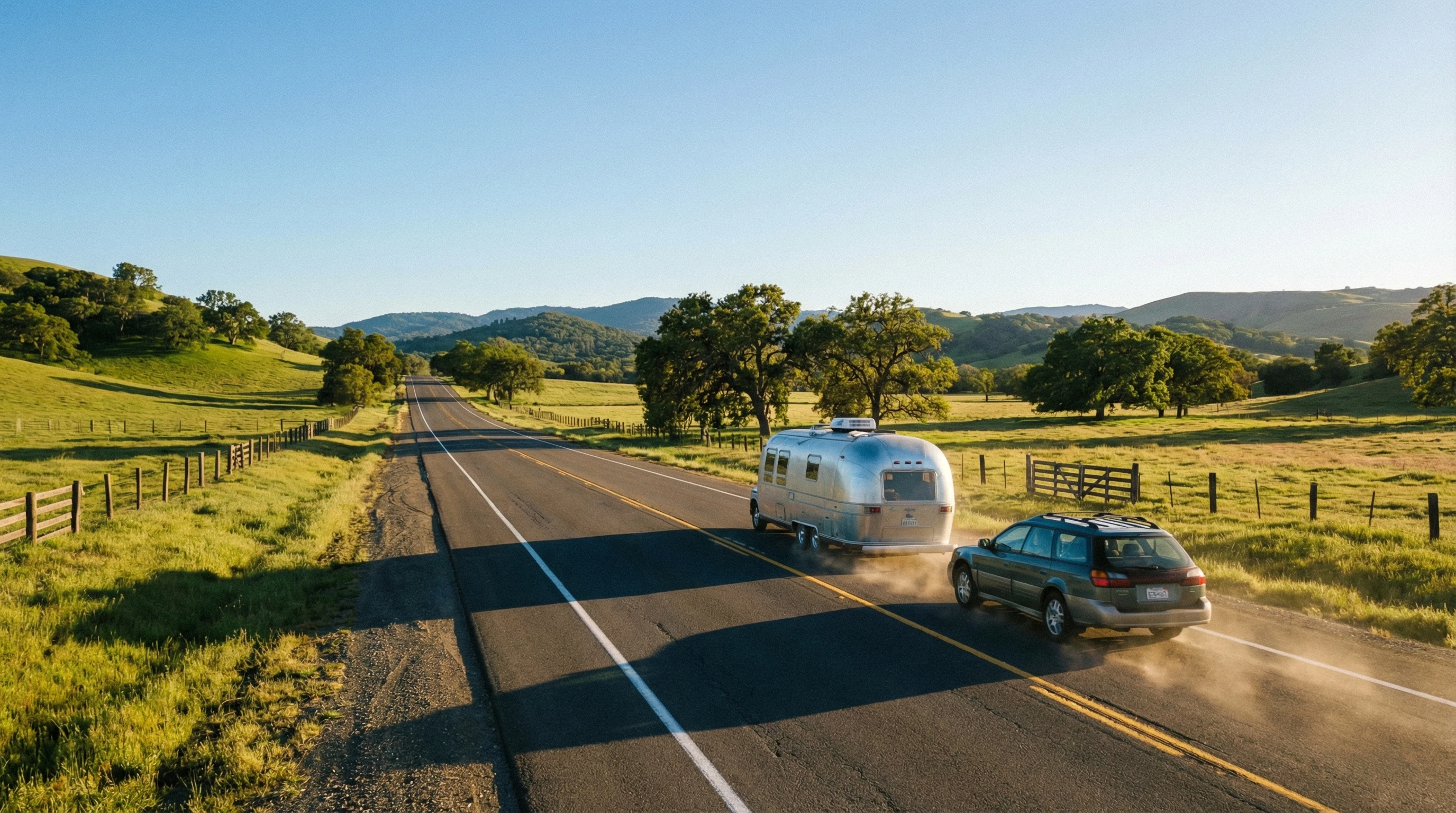
Gas Prices: What’s Going On in the Market for Snowbirds?
Over the last few months, gas prices across North America have taken a dip, sitting lower than what many drivers remember from this same time last year. For snowbirds planning seasonal getaways or road trips, these price drops help take some stress off the budget. Lower prices at the pump mean more money can be put toward fun experiences, attractions, or just a more comfortable travel budget.
The reasons behind these changes are tied to changes in oil production, supply chain adjustments, and a little boost from a milder winter in some regions, which eased the demand for heating fuels. The U.S. Energy Information Administration points to stronger supply chains and an uptick in refinery output as big factors for this price relief. For snowbirds who keep an eye on fuel costs as they plan their southern route, these factors are worth knowing about because they give a sense of whether low prices are just a blip or might stick around for the season.
Travel organizations like AAA and Canada’s CAA watch these trends closely and post regular updates, making it really helpful for anyone mapping out a long drive or looking for timely guidance.
How Lower Gas Prices Actually Help Snowbirds
The price at the pump is a pretty big part of the snowbird lifestyle. For seasonal travelers, every penny saved adds up fast. Snowbirds usually spend thousands of kilometers on the road, whether moving RVs, motorhomes, or everyday vehicles from colder hometowns to their warmweather homes.
- Reduced Travel Costs: When gas prices drop by just a few cents per liter or gallon, the savings over a multiday drive can sometimes run into the hundreds of dollars, especially for bigger RVs or travel trailers.
- Budget Relief: Lower fuel costs make extra stops or detours to explore new places easier to handle. Snowbirds now often find it easier to justify extra overnights or impromptu sightseeing days along the way.
- Better Planning: More predictable pricing helps snowbirds lock in travel budgets more accurately, which is super helpful for anyone on a fixed pension or income.
I remember hearing from neighbors who trek from Ontario to Florida in their motorhome every November. Last year, they budgeted carefully for each fillup, sometimes skipping certain parks and side trips. This year, with gas eased up a bit, they were excited to squeeze in a few extra nights at a park in the Carolinas and try a couple of local seafood joints without worrying so much about the grand total.
Making the Most of Cheaper Gas On Your Snowbird Adventure
Catching a break on gas prices isn’t just about luck. There are practical strategies snowbirds use to stretch their savings even further during those long hauls south.
- Use Gas Price Apps: Mobile tools like GasBuddy, Gas Guru, and AAA’s TripTik Travel Planner let you scout out the best prices along your route in real time. Planning your stops can shave off even more from your total spend.
- Membership Discounts: Roadside assistance organizations, grocery loyalty cards, and warehouse clubs often include discounts at the pump. It’s worth checking your memberships before you hit the road.
- Plan Smart Fuel Stops: Try to fill up before reaching highway tolls, busy tourist hotspots, or border towns. Prices are often a bit higher in these spots. I tend to top up in smaller towns just off the main highway, which usually means less lineups, less stress, and better deals too.
- Travel at the Right Times: If you’re flexible, consider driving on weekdays or early in the morning when gas stations sometimes lower prices compared to weekend rates.
These simple moves may not sound nextlevel cool, but over a two or three day trip, they’re pretty handy for keeping some extra cash in your wallet for fun stops or emergencies along the route.
Factors That Impact Gas Prices for Seasonal Travelers
It can feel like gas prices bounce around randomly, but there are some understandable reasons for the dips and spikes snowbirds notice on their routes. Knowing what’s happening behind the scenes can be helpful for trip planning, or for knowing when it might be smart to fill your tank before a stretch of the drive.
- Seasonal Demand: As winter settles in, demand for gas sometimes dips in the north but can rise in tourist areas down south as snowbirds arrive in waves.
- Oil Production: Fluctuations in production levels in oil producing regions like the U.S., Canada, and the Middle East impact global prices.
- Currency Fluctuations: For Canadians heading into the U.S., how strong or weak the Canadian dollar is against the U.S. dollar plays a role in final pump prices after conversion.
- Weather and Supply Chains: Major storms or cold snaps can interrupt deliveries or close refineries, causing prices in affected regions to spike temporarily.
I once had to adjust my travel plans a day early when a hurricane threatened the Gulf Coast. You could actually see gas prices jump by 30 cents per gallon in the space of a few hours! These are rare cases, but it shows how much weather and logistics can really mix things up.
Tips for Snowbirds To Keep Fuel Costs Under Control
Even when prices are lower, there are easy ways to make every drop of gas take you a little farther. Some of these ideas may sound obvious, but they really do help on long stretches:
- Keep Your Vehicle Maintained: A tuned up engine, properly inflated tires, and clean air filters all help your car or RV use less fuel.
- Shed Extra Weight: The more you pack, the harder your vehicle works. Ditch nonessentials or stow items at your destination if possible.
- Drive at Steady Speeds: Cruise control isn’t just for comfort. It really saves fuel, especially for big RVs or when traveling long interstate stretches.
- Avoid Unnecessary Idling: Especially in border lines or traffic jams. If you’re stopped for more than a minute or two, it’s better to turn off the engine and save some gas.
- Plan Efficient Routes: Preplanning your route to avoid heavy traffic areas and unnecessary detours can help save both time and gas. Modern GPS apps can help handle route changes in real time and make things smoother for everyone involved.
Comparing Vehicle Types: Cars vs. RVs for Snowbird Trips
The vehicle you take south makes a big difference in how gas price changes affect your wallet. Those with smaller, efficient cars will naturally see less total impact from price swings, simply because their vehicles use less gas. Meanwhile, RVers and folks with travel trailers or fifth wheels will definitely notice every little shift at the pump.
Some snowbirds trade in larger RVs for smaller vans or even stay in motels along the route when prices spike. Others plan to tow a small car behind their big rig, using it for sightseeing and errands at their winter destination to cut daily fuel costs. This adjustment lets them enjoy the perks of RV life while still keeping a lid on spending during higher price seasons.
Are Lower Gas Prices Here To Stay?
While the latest trend of lower gas prices is a happy surprise for many snowbirds, prices are always going to mix it up. The energy market is famously unpredictable. What’s true this month might be totally different after a major news event, a supply hiccup, or even a diplomatic change between oil producing countries.
Monitoring national and regional pump prices using resources like GasBuddy or AAA’s Fuel Price Finder helps travelers spot patterns. Some experts suggest that prices could stay relatively stable through winter if current trends continue, barring any huge supply shocks. However, they also highlight that seasonal changes, geopolitical events, and natural disasters can swing prices without much warning, so staying sharp and informed will always be key.
Frequently Asked Questions About Snowbirds and Gas Prices
Here are some of the things snowbirds are often curious about when it comes to their fuel spending during the annual ride south:
How much can a typical snowbird save with lower gas prices during a round trip?
Answer: It depends on the vehicle. For a full size RV traveling from Toronto to Florida and back, a 20 cent per liter drop can mean $200–$300 in savings over the round trip distance. Even smaller cars see a noticeable difference after several tanks of gas.
When is the best time to travel to take advantage of the lowest gas prices?
Answer: Early or late in the season, like November and late March, can bring lower prices since demand is lower than the main holiday months. Gas stations also occasionally drop prices mid week, offering more chances to catch a deal if your schedule is flexible.
Is it better to fill up in Canada or the U.S.?
Answer: This depends on exchange rates. Often, gas is cheaper in the U.S., but it’s smart to compare both sides just before you cross. Don’t forget, border towns can sometimes bump up prices, so looking up fuel costs a few towns inland can offer more savings and less crowded stations.
How To Stay Updated On Gas Prices Before and During Your Trip
Getting caught off guard by a price jump can be annoying, especially just as you’re about to head out. Here are a few ways to stay updated:
- Check digital resources like the GasBuddy app, AAA’s website, or even Google Maps for real time pump prices along your intended route.
- Follow travel forums or Facebook groups dedicated to snowbirds. Many members share daily price tips and pit stop ideas, so you can tap into local info along the way.
- Sign up for email alerts or push notifications from the major travel and roadside assistance clubs. Staying sharp on these trends can mean snagging a great deal or avoiding a surcharge at the wrong moment.
These small steps help you spot sudden upward trends or stumble upon recommendations for great fuel stops that save both time and money, giving your adventure a smoother and more affordable ride.
Wrapping Up
The drop in gas prices this season is pretty good news for anyone who spends a lot of time on the highway chasing warmer weather. Whether you’re piloting a big RV or just loading up the family car, those pennies add up along the way. Getting informed, planning a little ahead, and taking advantage of the tools and discounts out there help snowbirds make the most of every kilometer on the road, and maybe enjoy a few unexpected extras to make the trip even more memorable!