
Traveling in an RV offers a ton of freedom and adventure, but there’s a hidden hazard that often gets overlooked: carbon monoxide (CO) poisoning. Because RVs are like little homes on wheels, they come with all sorts of fuelburning appliances that can put you at risk. Having a good handle on carbon monoxide safety is really important if you want to travel comfortably and stay healthy. I’ll walk you through the basics, common risks, what you can do to keep your RV safe, and how to respond if your alarm ever goes off.
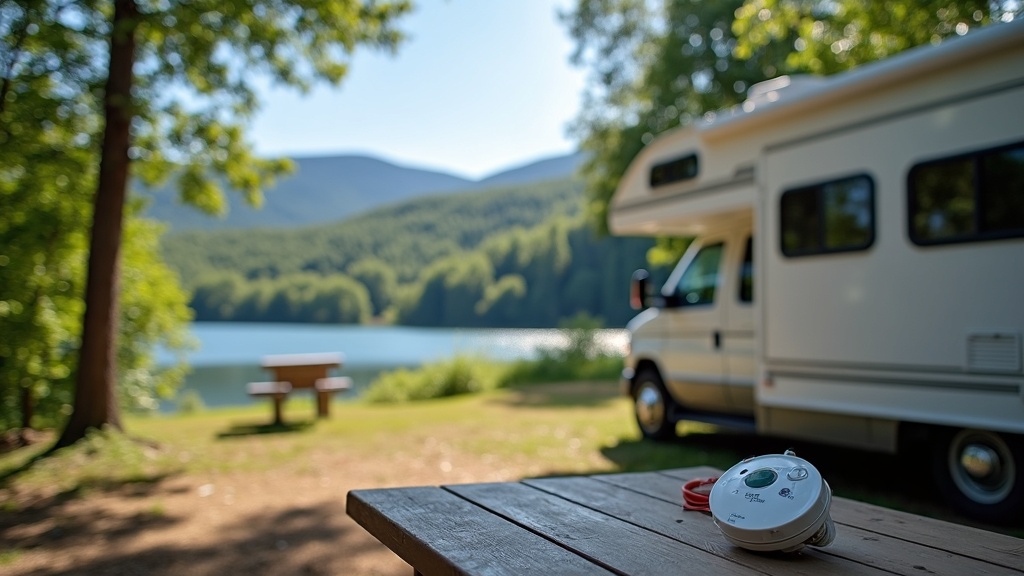
Why Carbon Monoxide Protection in Your RV Matters
Carbon monoxide is a colorless, odorless gas that can sneak up on you without warning. Even a short exposure can make you sick, and higher concentrations can be fatal. Unlike in a house, an RV is a small, enclosed space, so even a little bit of CO can build up quickly. A lot of people don’t realize how easy it is for CO to enter their living area, especially if they’re new to using propane appliances or generators. CO doesn’t just come from your own appliances; it can drift in from a neighbor’s generator or engine at a crowded campground.
The U.S. Centers for Disease Control and Prevention (CDC) reports hundreds of accidental CO deaths every year, and many more people suffer serious symptoms before catching on. That’s why being proactive with CO safety in your RV should definitely be on your prep checklist before hitting the road.
Common Sources of Carbon Monoxide in RVs
Most RVs use a mix of propane and gaspowered appliances, from heaters to stoves and generators. Knowing where CO typically comes from is the first step to staying safe:
- Gasoline or Diesel Generators: These are among the biggest sources. Running a generator too close to an open window or vent is all it takes for exhaust gases to invade your RV.
- Propane Stoves and Ovens: If these aren’t burning cleanly or if vents are blocked, CO can build up inside.
- Propane or Gas Heaters: Faulty or unvented heaters are a major risk factor, especially when used overnight.
- Water Heaters: Like with stoves and ovens, a poorly maintained water heater can create CO if the flame isn’t blue or if airways get blocked.
- Vehicle Engine: If you idle your RV engine or park near other idling vehicles, exhaust fumes can find their way inside quickly.
Maintenance and proper use are your best defenses here. Regular checks keep these sources from becoming a real problem while you’re relaxing at camp. You should also keep spare parts on hand for common repairs, and read your owner’s manual so you can spot issues before they become a bigger hazard.
Symptoms of Carbon Monoxide Poisoning
Recognizing symptoms early is really important for your safety. CO symptoms often look just like the flu or food poisoning, so it’s easy to dismiss them, especially when you’re busy adventuring. Here are the biggest red flags you should watch for in yourself or anyone else in your RV:
- Headache (usually starts out mild but worsens with time)
- Dizziness or weakness
- Nausea or vomiting
- Shortness of breath
- Confusion or mental fog
- Blurred vision
- Loss of consciousness (in severe cases)
Small children, older adults, and pets are even more sensitive to CO. If anyone starts displaying any of these symptoms without a clear cause, treat it as a CO emergency right away. Don’t brush it off, and never assume it’s “just a bug” when you’re camping in your RV.
Remember that these symptoms can creep up without you realizing it, especially at night or if you’re distracted by travel routines. Even seasoned RVers might mistake them for dehydration or altitude sickness in certain camping spots, so staying sharp is key for everyone.
How to Make Your RV Carbon Monoxide Safe
Setting up your RV for CO safety doesn’t have to be complicated. With a few habits and the right equipment, you can cut your risk quite a bit. Here’s what I always do for peace of mind:
- Install a Carbon Monoxide Detector: This is the number one safety upgrade for any RV. Make sure your detector is designed for RV use, not just for homes, and test it every time you head out.
- Check Alarms Regularly: Change batteries twice a year and replace the whole alarm every five to seven years (some models may last longer; check your manufacturer’s instructions).
- Ventilate Always: If you’re using propane appliances, keep a vent or window cracked. Never block roof or wall vents inside your RV.
- Keep It Serviced: Schedule yearly inspections of propane systems, stove burners, heaters, and generators. Find a certified RV technician; DIY is tempting, but can miss hidden problems.
- Watch for Warning Signs: Yellow burner flames (instead of blue), sooty stains, or persistent smells are all clues something isn’t burning cleanly.
- Turn Off Appliances at Night: Don’t run generators, unvented heaters, or ovens while sleeping. Sleep is when CO poisoning is most dangerous.
Following this routine has saved me from needing to call for help more than once. I keep a laminated checklist in my RV; simple, but it’s a solid reminder, especially on those long travel days. Teaching guests or fellow travelers about this checklist can also make a difference when everyone’s sharing duties.
Setting Up and Maintaining Your CO Detector
Getting the most out of your CO alarm comes down to where you put it and how well you keep up with maintenance. CO safety isn’t set-it-and-forget-it. It’s a habit that should stick with you through every adventure.
- Placement is Key: CO mixes evenly in the air, so you can install a detector at any height. Near sleeping areas is usually best, and don’t forget to add one to the cab if you have a driveable RV.
- Add an Alarm if You Cook Outside: Many folks set up a camp stove just beneath a window or awning. Exhaust can drift inside, so keep a detector near entry points.
- Check Test Button Every Trip: I do this as part of my pre-departure checks. No chirp means you need to replace the battery or the whole detector.
If your detector goes off, don’t ignore it. Some alarms have a “low battery” beep that sounds different from a real CO warning; get familiar with your alarm so you know the difference. I stick the user manual right next to the detector for quick reference. Make sure replacement batteries are always available, especially if you’re camping off-grid.
Safe Operation and Maintenance of Fuelburning Appliances
Preventing CO leaks is mostly about using appliances the way they’re meant to be used and giving them regular maintenance. These are a few habits I’ve developed after years of RV travel:
- Inspect Vents Often: Make sure nothing is blocking roof, wall, or floor vents. I doublecheck for bird nests or debris every time I stop for fuel or at longer stays.
- Check Burner Flames: A blue flame is healthy; yellow or orange means your burners need cleaning or professional adjustment.
- Routine Leak Checks: Use soapy water on propane connections to look for bubbles. It’s a quick test that could prevent a lot of trouble.
- Go Pro for Big Repairs: If you notice persistent problems with any gas appliance, get it checked by a professional. Don’t try to patch things with tape or DIY unless you’re trained in RV systems.
It’s also good to avoid any makeshift setups. Never use charcoal grills or camp stoves inside your RV, even if the weather outside is bad. These devices are big sources of CO because they aren’t built for indoor use. Always let appliances cool before inspecting for issues, and keep spare fuses or parts for quick fixes roadside.
Best Practices for Generator Use
Generators are super useful but also one of the biggest risks for CO in RVs because of the direct exhaust. Here’s how I make sure I’m running my generator as safely as possible:
- Never run a generator indoors, in a garage, or under your RV’s awning. Even briefly is dangerous. Set it far enough away that exhaust can’t sneak inside.
- Make sure the exhaust pipe is pointed away from any openings, including windows, vents, or doors.
- Shut it off before you go to sleep. This way there’s no risk of exhaust drifting inside while you’re not alert.
- Avoid parking near other running generators. CO can blow in from neighboring sites, especially on windless days.
- Consider using a portable wind deflector or shield when boondocking to guide exhaust away from your campsite. It’s a small investment that adds another layer of protection.
I’ve met several RVers who were surprised by how easy it is for someone else’s generator to cause their own CO alarm to chirp. Spreading out and sticking to generatorfriendly guidelines at campgrounds helps protect everyone nearby, not just you.
What to Do If Your Carbon Monoxide Alarm Goes Off in Your RV
A CO alert isn’t something you want to experience, but knowing exactly what to do can make a big difference:
- Stop what you’re doing and get everyone (including pets) out of the RV fast. Open all the windows and doors as you leave to air things out.
- Dial emergency services right away. Don’t go back inside until they say it’s safe. CO can linger longer than you think.
- Don’t try to “fix” anything or find the leak yourself until a professional has checked your appliances and venting.
Some symptoms can take a while to show up, so keep an eye on yourself and anyone you’re traveling with, even after you’re out in fresh air. When in doubt, seek medical care. CO poisoning is nothing to gamble with, and a quick hospital visit can save a life.
Extra CO Safety Tips for RV Travelers
Seasoned RVers often have a few extra tricks to keep things safe and smooth. Here’s what I’ve picked up that you might find handy:
- Mark your CO detector expiration date on your calendar or smartphone. An expired alarm can’t protect you.
- Bring a batterypowered backup alarm, especially if you’re camping in remote spots or if your main unit is hardwired to your RV’s power system.
- Show everyone you travel with how the CO alarm works and what to do if it goes off. Don’t let safety rest on just one person’s knowledge.
- Keep appliance manuals accessible or save the PDFs on your phone for quick troubleshooting.
- Check manufacturer recalls for your RV’s appliances. A lot of RVers miss out on free safety fixes and upgrades being offered by brands.
- Do a full walkaround at each new campsite, especially if wind direction has changed. This helps you spot issues with vents or possible external CO sources before they build up inside your RV.
- If you travel with kids or pets, teach them to recognize the alarm sound. This reduces panic and can speed up evacuation if you need to leave suddenly.
These little habits and precautions can help prevent a lot of stress, especially when you’re far from home or dealing with new gear. They can also increase your confidence as you get more experience RVing, especially if you’re solo traveling or switching up destinations often.
Reallife Story: Catching a CO Leak Early
I once met a fellow traveler who woke up feeling groggy and nauseous but didn’t think much of it at first. Their RV carbon monoxide detector chirped a few times, which they figured was a low battery, but when it turned into a full alarm, they stepped outside just in time. It turned out a blocked exhaust vent after a storm had caused CO to back up overnight. Their alarm was a huge lifesaver. Since then, I always check outside vents and rely on multiple detectors. RV groups online are packed with stories like this, and they act as reminders that a working alarm really does save lives.
There are also accounts of RVers who avoided neartragedy thanks to a backup detector when the main one failed. These real-life examples highlight why doublechecking your safety setup—and sharing what you learn in online forums or with other RVers at campsites—can make a big difference for the community.
RV Carbon Monoxide Safety Frequently Asked Questions
Staying safe starts with good information, so here are some questions that come up a lot for RV travelers:
Question: How many carbon monoxide detectors should I have in my RV?
Answer: One near the main sleeping area is a good start, but having an extra in the cab (if it’s a motorhome) and near the rear sleeping space adds extra peace of mind. In larger or multiroom RVs, consider one per section, especially if you have slideouts or regularly use partition doors that can block airflow.
Question: How often should I test or replace batteries in my alarm?
Answer: Test your alarm before every trip and at least once a month while in use. Swap out batteries every six months, or as often as the instructions recommend.
Question: Are RV carbon monoxide detectors different from home versions?
Answer: Yes. Look for models rated for mobile use, as they’re made to handle temperature swings and vibration that happen while driving.
Question: Can you get CO poisoning with the windows open?
Answer: While ventilation helps, it’s not foolproof. CO can still build up if an appliance is malfunctioning, or wind pushes exhaust back inside.
Question: Do pets show signs of CO poisoning earlier than people?
Answer: Pets are usually more sensitive, so if they seem tired, weak, or unsteady, take action right away—even before you notice symptoms yourself.
Question: Is it safe to sleep in my RV with the engine idling if it’s cold outside?
Answer: No, you should never leave your engine running while sleeping. Even with a heater on, idling creates a CO hazard. Bundle up with extra layers or use safe heating alternatives approved for RV interiors.
Keeping Your RV Adventure Safe
Adding carbon monoxide safety steps to your RV routine lets you focus on all the good stuff, like stargazing, road trips, and cozy campfires, without worries lurking in the background. All it takes is a little attention to appliances, a reliable detector, and a prepared game plan in case anything goes wrong. Whether you’re just starting out with RV life or you’ve been roadtripping for years, keeping CO safety in mind is one of the best things you can do for yourself and anyone you travel with.
Your next getaway deserves to be as safe as it is fun, and with these tips in your back pocket, you’re ready to roll with confidence. Remember, being prepared is what keeps the adventure rolling for the long haul!