
RV life offers more freedom than most traditional travel, but the compact fridge does put your creativity to the test. Whether you’re whipping up quick meals on the road or just need to keep your favorite snacks cold, a little forethought goes a long way. Over the years, I’ve realized a smartly organized RV fridge avoids wasted food, cuts down store runs, and keeps travel days less frantic. This all-in-one guide is loaded with my best tips and real-life tricks for getting peak storage out of your RV’s small fridge, perfect for both weekend escapes and long-term travel.
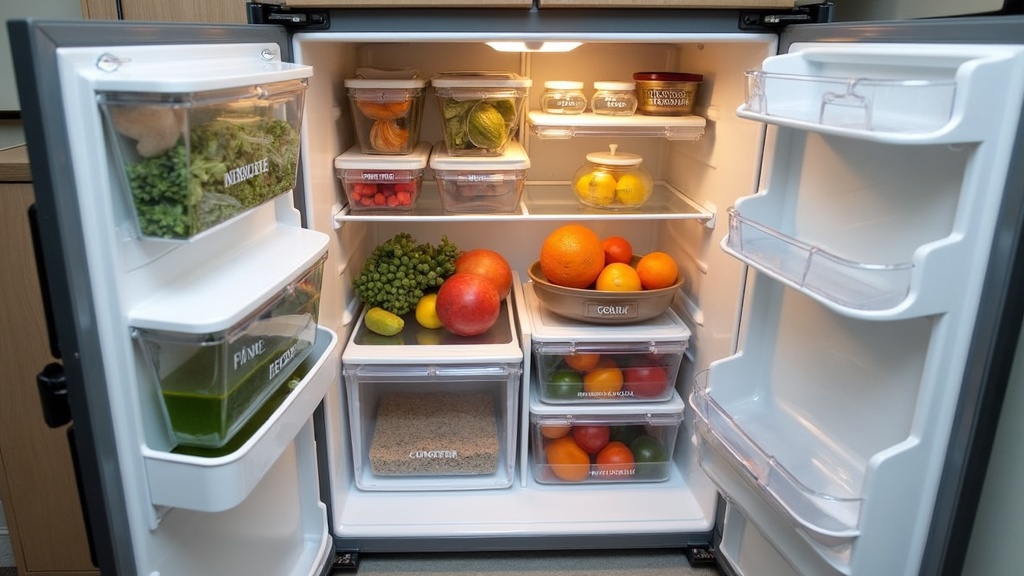
Why RV Fridge Space Always Feels Tight
Most RV fridges are barely half the size of what you have at home. Unlike kitchen fridges, these use absorption cooling, which isn’t as fast or even at spreading the chill. Toss in a couple of bumpy rides, narrow shelves, and lots of differently shaped foods—it’s clear why the space disappears fast.
Understanding these key differences is the first step to smoother packing. RV fridges are slow to cool down and, when overloaded, lose their chill on some foods. Crowding blocks air and gives you soggy veggies or milk that’s toes the line of turning sour. That’s why getting a strategy down helps stretch your space and keeps meals fresh and safe.
Prep Your RV Fridge for the Road
Getting organized before you travel can spare you loads of headaches later. Here are a few smart habits I use:
- Pre-chill the fridge: Start it the night before loading up. This sets you up with a cold baseline, perfect if electricity is spotty at your next stop.
- Load pre-chilled groceries: Whenever possible, cool food at home first. A cold core means your fridge isn’t working overtime hours to drop the temp.
- Pack with purpose: Sketch out your meal plans, even roughly. It stops you from hoarding extras “just in case,” which crowd out essentials and stress the shelves.
Start smart, and your fridge stays more manageable from the start, not just after several on-the-go cleanups.
Smart Food Choices to Save Space
The RV fridge challenge really begins at the store. Here’s what I always keep in mind to make space go further:
- Skip the extra packaging: Bulk yogurt tubs and resealable bags beat the clutter of dozens of singles. Move foods into stackable containers at home for max flexibility in the fridge.
- Choose foods that pack well: Stuff like cheese blocks, sturdy greens, tortillas, and bell peppers slide in neatly, while delicate greens just wilt under pressure. Precut veggies and planning portions usually beats last-minute, “shove it in there” storage.
- Pick durable options: Hard cheeses and shelf-stable milk (Tetra Paks) handle road bumps, wild temps, and last longer than delicate perishables.
The key is loading up with food that will fit and won’t collapse or spoil after the first full day of travel.
Best Fridge Organization Hacks for Small Spaces
Even the smallest fridge can pack a surprising punch with a few classic hacks:
- Bins and baskets: Clear bins from local shops or online act like makeshift drawers, making it simple to grab breakfast, snacks, or drinks without turning the whole fridge upside down.
- Stackable containers: Rectangular bins fit better than round bowls. Look for leakproof lids to stop any spills during sudden stops on the highway. See-through containers also help you spot what’s inside fast.
- Shelf liners and dividers: Wire shelves chew up space—add liners or simple organizers (even a file folder!) to double-layer your storage.
- Magnetic racks or clips: Add a couple to the door or side for tortillas, zip bags of veggies, or bagged cheese. They maximize otherwise empty spaces.
Once you try these, the fridge won’t just hold more—you’ll actually be able to find what you need when you want it.
Packing Tips to Get Every Inch Working
Packing isn’t just Tetris: It’s about airflow. Cold air drops from the back to the front, so organization is everything. Here’s how I use every corner and avoid mystery science projects in the back of the fridge:
- Heavy, sturdy foods at the bottom: Drinks, meats, and cheese work well here. Always use leakproof containers, just in case.
- Dairy and produce in the middle: They stay colder but are easy to reach. Sturdy veggies in back and delicate ones up front.
- Eggs, snacks, grab-and-go stuff on top: Eggs keep best on the shelf, not the door, and snacks packed together make for less chaos.
- Door shelves for long-life foods: Only use these for things like ketchup, mustard, or drinks you don’t mind being less cold.
It’s best to leave space between bins so air can flow, not just stack things as tight as possible. Tight packing blocks cooling and invites spoilage later.
Keep Fridge Order on Travel Days
All your hard work can tumble out after a bumpy drive. Try these for peace of mind:
- Non-slip mats and liners: These stop containers from sliding around when you take a sharp turn or hit a sudden stop.
- Silicone bands or clips: Perfect for holding bottles or big containers in place.
- Bungee cords for shelves: Especially if your fridge door latch is getting old, a bungee cord adds extra insurance that nothing falls out during travel.
One last step: Right before hitting the road, double-check every latch. Even a heavy-duty lock can slip open during travel and trigger a mess when you arrive.
Dealing with Common RV Fridge Headaches
All RV fridges have their “quirks,” and sooner or later, you’ll run into these:
- Uneven cooling: The spot at the back freezes, the front stays lukewarm. Adjust shelves and rotate foods for better airflow. Fridge fans are worth adding for frequent RVers.
- Condensation and frost: Opening too often and hot leftovers add moisture. Towel off extra water, use circulation fans, and keep items organized to lessen frost.
- Narrow or weirdly shaped shelves: Lazy Susans or narrow bins organize things that otherwise get lost at the back. Tupperware lids even make awesome shelf covers in a pinch.
- Temporary power loss: A fridge thermometer and a backup ice pack can mean the difference between safe eggs and a smelly mess if the power cuts.
There’s a trick for nearly every RV fridge issue out there, and sometimes the best fix is what another traveler shares with you at camp.
Case in Point: Uneven Cooling
I lost one too many bags of greens to freezing until I started tracking where the coldest and warmest spots were. A simple fridge thermometer gives you instant info and helps you shuffle things around as needed. Fridge fans are almost always worth the small investment to spread cold air more evenly.
Condensation and Frost Management
Humidity is no friend to RV fridges. I tackle it by wiping the walls with a towel every other day and using a little battery fan, especially during muggy summer trips. Several RV folks I’ve met swear by these tiny fans for avoiding frost buildup, too.
Beating Narrow Shelves
I store tall bottles sideways at the back, sealed tight, and use shoe holders or long slim bins to keep little things together. That way, the back row never turns into a forgotten science experiment.
Short Power Outages
With power hiccups, keeping the fridge door closed traps cold air. A fridge thermometer helps you know if things stayed safe, so you won’t eat questionable leftovers later.
Almost every RV traveler has a unique story or workaround for fridge mishaps. A little prep and a willingness to try new tricks keep your food fresher for longer, no matter what your travel style is.
Useful Accessories to Step Up Your RV Fridge
A handful of simple tools can give a serious boost to your fridge’s performance and your own sanity:
- Fridge thermometer: Knowing the real temp (aim for under 40°F) is a huge help for food safety.
- Circulation fan: Battery or USB fans smooth out cold spots and keep all your foods chilled properly.
- Stackable bins: These save space and make finding items easier. Clear bins mean less digging.
- Nonslip shelf liners: No more reorganizing every time you stop for the night; liners stop sliding and stacking mishaps.
Most of these upgrades are affordable and double as little sanity savers, too. Investing a bit up front pays off in convenience and less food stress on the road.
On the Road: Real-World Lessons
During a long trek through Arizona and New Mexico, I loaded up our RV fridge for five days with zero grocery stops. It took some creative meal prepping, rotating leftovers forward daily, and stacking drinks on the bottom—but even by the last day, nothing was spoiled or hard to reach. Planning, plus stackable clear containers, made all the difference.
Another time, camping in sticky Florida, our fridge iced up constantly. Picking up a battery circulation fan and doing extra wipe-downs helped keep things working right. I also realized in super hot regions, you should open the fridge as little as possible to hold the chill longer.
- Family tip: Pack a snack bin at the front just for kids (or grabby adults), and label the containers. It stops constant hunting and keeps the rest of the fridge tidy.
- Full-timer method: One couple I met builds a weekly fridge map and shopping list, so nothing gets wasted or forgotten, even on long-haul adventures.
Frequently Asked Questions
Let’s break down some of the big questions RV newbies have about making the most of fridge space:
How should you arrange food inside an RV fridge?
Answer: Start with drinks and meats on the bottom, dairy and produce in the middle, snacks and eggs up top, and condiments in the door shelves. Use bins, keep similar foods together, and always allow for airflow.
What’s the ideal fridge temperature?
Answer: Keep the fridge at or just below 40°F (4°C). This minimizes spoilage and keeps everything food-safe, no matter the season.
Are there certain foods to keep out of the RV fridge?
Answer: Tomatoes, breads, and potatoes do better outside the fridge, either on the counter or in a cool cupboard. This saves space and helps these foods taste better.
How do you keep food from sliding around while driving?
Answer: Nonslip liners, silicone bands, and organizing bins are key. Bungee cords across shelves or doors work well in older fridges or rigs with worn-out latches.
Wrapping Up: Making the Most of RV Fridge Space
A well-packed RV fridge is all about preparation, solid organization, and a few clever accessories. With a blend of smart shopping and storage hacks, you’ll stress less, eat better, and turn every tiny fridge into a real travel companion. Every setup is a bit different, but with these strategies, you’re set for the road ahead—full fridge, zero drama. Enjoy your adventure and snack smart every mile of the way!