
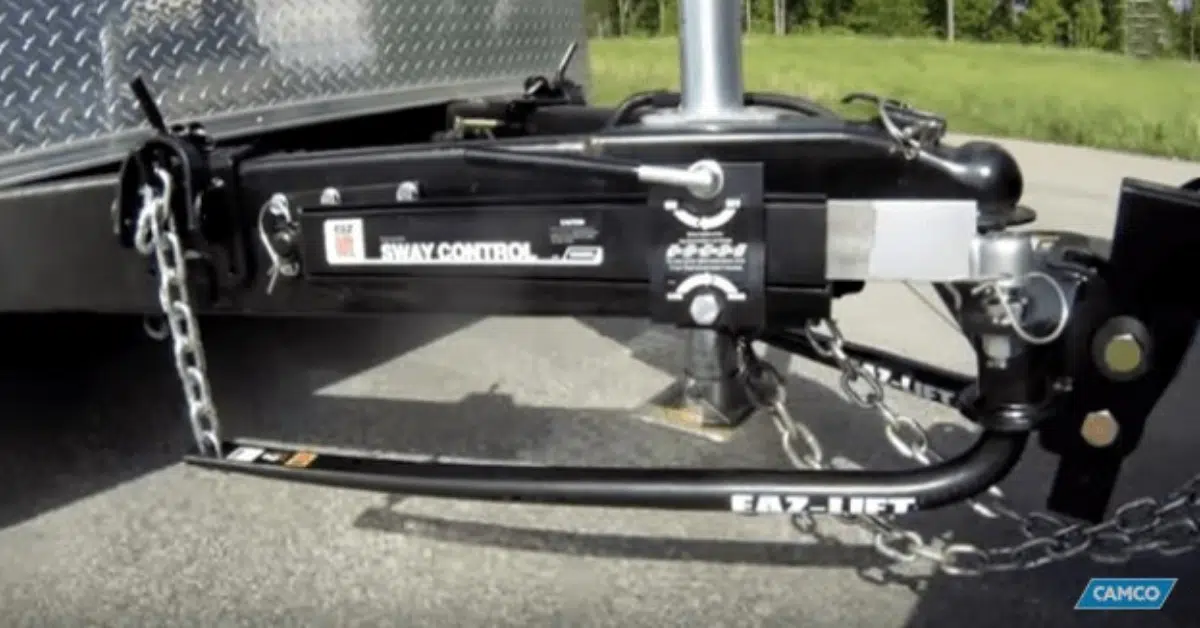
Adding sway bars to your travel trailer can make a huge difference in how smooth and controlled your towing experience feels. When you’re hauling a trailer, unpredictable swaying can pop up from passing vehicles, windy stretches of road, or quick lane changes. Sway bars are designed to help keep your setup steady, making trips less stressful and far safer. Here, I’ll break down what sway bars are, how they work, how to set them up on your travel trailer, and smart tips to get the best performance while you’re on the road.
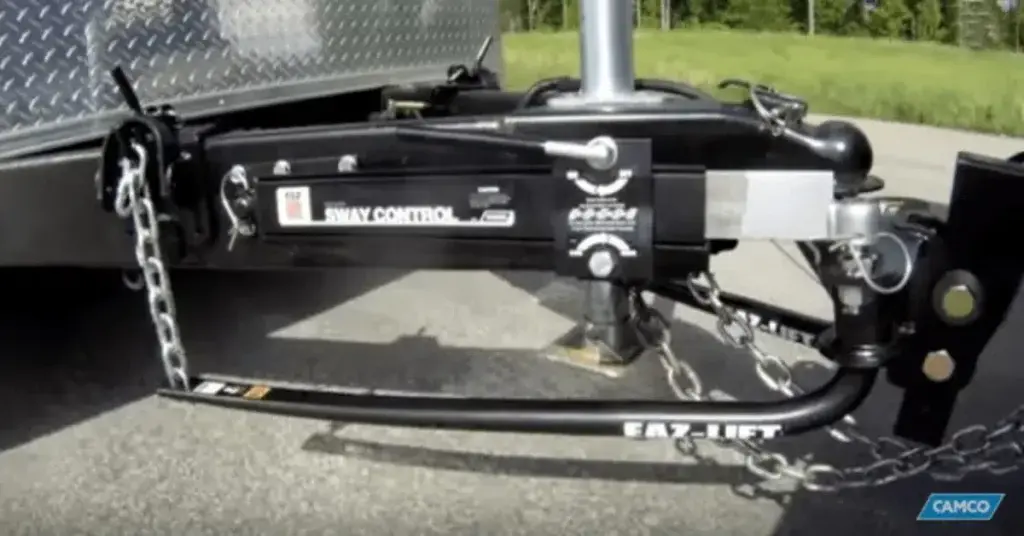
Why Sway Bars are Really Useful for Towing
Sway bars (also called antisway or stabilizer bars) connect between the towing vehicle and the trailer. Think of them as an extra pair of hands that help keep your trailer from swinging back and forth when you hit gusty stretches of highway or get passed by a big truck. The most popular reason people use sway bars is to control dangerous side to side motion—trailer sway.
Toning down sway isn’t just about making the ride smoother. It’s also about safety. Trailer sway can lead to loss of control, blown tires, and even rollovers. Getting the right sway bar setup helps you feel more confident while driving, which is especially helpful on longer trips or rougher roads.
Getting to Know the Different Types of Sway Bars
There are a few main types of sway bars out there. Picking the right one for your trailer and vehicle can make a big impact on your towing experience. Here’s a quick rundown of what you’ll likely find:
- Friction Sway Bars: Lightweight and budget friendly, these use a friction pad to create resistance when the trailer tries to sway. They’re popular for smaller or lighter trailers.
- Dual Cam (Weight Distribution Sway Bars): This style mixes antisway and weight distribution in one system. Metal cams on each side work to keep the trailer centered. Great for heavier setups, especially if you tackle mountains or windy areas.
- Dependent (Hitch Mounted) Sway Controls: Some hitches have built in sway control. These are super convenient if you’re already getting a new hitch and want an all in one system.
Always check your trailer’s specs and your tow vehicle’s manual to make sure you’re getting equipment rated for your total weight. Pairing the right sway bar to your load helps you make the most of it and avoid damaging gear or voiding a warranty. For example, a small teardrop trailer and a full size camper need very different setups, so don’t just guess based on looks—do your homework for safety and best results.
Step by Step: How to Install Sway Bars on a Travel Trailer
You don’t need a pro mechanic to add most sway bars, but if you’re not comfortable with tools, your local RV shop can help. Here’s how you can put on typical sway bars:
- Read the Instructions: Each sway bar kit comes with directions. Always check these before starting. Parts or steps can differ, so don’t assume they’re all the same.
- Position the Trailer: Park your trailer on flat ground and chock the wheels to keep things steady.
- Attach the Hitch: Make sure your hitch is connected and locked. Most sway bars require the towing vehicle and trailer to be hooked up first.
- Connect the Mounting Brackets: Attach the brackets to your trailer’s A frame or tongue. Tighten them until they’re snug, but don’t over tighten to the point you strip bolts.
- Install the Sway Bar Arm: Slide the sway bar arm onto the mounting bracket and attach it to the one on your hitch or receiver using pins or locks.
- Adjust for Tension: Some sway bars use a tension knob or bolt. Tighten until you get some resistance—don’t crank it so tight that turning the rig feels impossible.
- Test the Setup: Tow the trailer slowly and try gentle turns and stops in a safe spot like a big, empty parking lot. Listen and feel for odd pops or grinding. If anything seems off, stop and recheck everything.
If you’re ever unsure about a step, online forums and how to videos can help walk you through, but make sure you’re finding advice for your specific model. Trailer setups vary a lot, so what works for one brand may not apply to yours.
Road Ready Tips for Using Sway Bars
Adding sway bars doesn’t mean you can load your trailer in any way you want. A smart towing setup includes a balanced load, correct tire pressure, and a properly adjusted hitch. Here are some tried and true tips for the best towing experience:
- Balance Your Load: Heavy items should go low and centered between the axles. Try to keep 10-15% of the trailer’s weight on the hitch ball for better stability.
- Check Tire Pressure: Low or uneven tire pressure can boost sway. Check both your trailer’s and tow vehicle’s tires before every trip to avoid trouble.
- Drive Smart: Sway bars help a lot, but they’re not magic. Keep a moderate speed and go easy on sharp turns or quick maneuvers, especially in high winds or when trucks are passing by.
- Stay Weather Awareness: Crosswinds and rain can still push a trailer around. If you see rough weather coming, slow down or even pull over until it passes.
- Inspect Equipment: Every couple of trips, give your sway bar setup a quick check. Replace worn pins, bushings, or pads before they become big problems.
Following these basics will give your sway bar setup the best chance to shine and keep you safer on the highway whether you’re close to home or venturing to new places.
Troubleshooting and Common Sway Bar Issues
Even well set up sway bars can give you trouble sometimes. Here’s how I handle the most frequent problems:
Squeaking or Noisy Bars
Friction bars often squeak, especially when dry. Give them a little silicone spray to hush things. Don’t use grease—most sway bars work best with dry friction pads, and grease can ruin the effect.
Difficulty Turning
If your trailer feels tough to maneuver, the sway bar might be cranked too tight. Ease off the tension a notch. Your trailer should pivot with the turns naturally, not fight back.
Loose Feeling While Driving
If your trailer feels twitchy at highway speed, check all bolts, pins, and brackets for tightness. Look at your load balance too. Shaky rides often come down to gear shifting or an unevenly packed camper.
Uneven Tire Wear
While sway bars don’t directly cause weird tire wear, an unlevel hitch or off target tongue weight can hurt tires over time. Always double check hitch height and tongue angle after adding or adjusting sway bars.
Safety Factors and Legal Stuff to Remember
Sway bars are a real step up for safety, but trailer laws change from state to state. Some states require sway control above certain weights, and others have rules for longer trailers. Double check what’s needed for your rig and destination, and only use gear rated for your setup. I keep the instruction booklet in my glove box, and snap a few pics of my sway bar in place as a quick backup if someone has questions at a roadside check.
If you’re not 100% sure everything’s legal and safe, ask an RV dealer for a hitch check or inspection. It’s a fast way to get peace of mind before a major trip. Some shops provide this service pretty inexpensively—worth it for the confidence boost before heading out with the family or towing in new regions.
Advanced Tips for Towing Stability
Once you’re good with the basics, try these tips to boost comfort and performance:
- Upgrade to Dual Cam or Electronic Sway Control: If you deal with mountains, blustery highways, or haul heavier trailers, consider springing for one of these systems. You’ll get smoother, steadier handling.
- Practice Emergency Moves: In a large, open lot, test out gentle swerves and emergency stops while loaded. It builds confidence and helps you get a feel for your handling limits before you have to do it for real.
- Add a Rearview Camera for Your Trailer: Not truly about sway bars, but being able to spot issues or movements out back means you can act before things get out of hand.
Some high end sway bar units are adjustable as you go, so you can tighten or ease off control based on those long cross country changes in weather. This flexibility is a game changer for longer trips with a lot of different terrain.
Common Questions About Travel Trailer Sway Bars
Folks ask about sway bars a lot. Here are some answers to the most frequent questions I hear:
Do sway bars make towing totally sway free?
Sway control helps a great deal, but you still need to drive smart, keep your speed in check, and balance your load. Sway bars are support tools, not magic solutions.
Can I tow without sway bars on small trips?
You can, especially with a very small or lightweight trailer, but it’s much safer with sway bars on—road conditions flip quickly, and unexpected wind or traffic can show up on the shortest drives.
Are all sway bars universal?
Most sway bars have broadly compatible mounting, but weight ratings and hardware setup differ by brand and trailer style. Always compare the specs for your tow vehicle and trailer before buying.
How do I know when to swap out my sway bars?
Look for bent arms, worn down pads, rust, or loose fit. If the adjustments don’t hold, or if you spot wobble in the hardware, it’s time for new ones.
How to Shop for Sway Bars and Save Money
I recommend hunting at specialty RV shops and checking top rated online stores. User reviews are gold for avoiding model specific problems. Prices run from $50 for basic friction bars up to $500 or more for heavy duty all in one setups. Don’t just chase the lowest price—think about support, warranty, and what’s included.
If you use your trailer occasionally, a midrange kit is often enough. On the other hand, full timers or folks traveling cross country will get their money’s worth from a serious investment right up front.
Wrapping Up: Making Sway Bars Work for You
Sway bars are a smart, affordable upgrade for most travel trailers. They lower stress on the highway, reduce sway, and make your towing adventure far more comfortable. With the right type, proper install, and regular checks, sway bars pay off with safer trips and a smoother feel behind the wheel. If bigger adventures are in your plans, taking time to get your sway bar situation set is a worthwhile move.
Hitting new destinations with steady towing gives you peace of mind and lets you focus on the best part: discovering and enjoying each new campground. Safe travels and happy camping!