
If you own an RV, you already know how tough it is to keep those vinyl decals looking sharp. Sun, rain, and road grime can make bright graphics fade, crack, and peel before you know it. After years on the road, my own rig started to show its age with dull, brittle stripes that took away from its curb appeal. That’s when I found Max’s Vinyl Decal Restorer, a pretty handy product designed for tired and weathered RV graphics.
I want to break down exactly what you’re getting with Max’s Vinyl Decal Restorer, plus my own hands-on experience. Hope this gives you a good idea of what to expect before you try it out yourself!
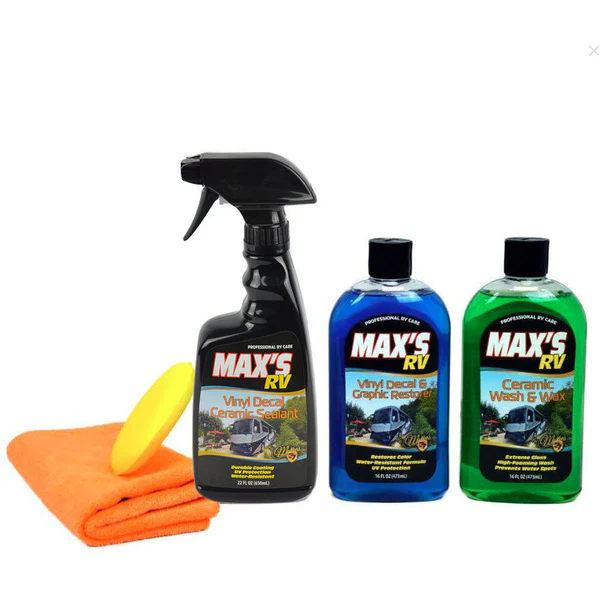
Product Name: Max’s Vinyl Decal Restorer
Website URL: MaxsVinylDecalRestorer.com
Price: $24.99 per 8oz bottle (pricing varies by retailer/size)
Purpose: Restore color, shine, and flexibility to faded or oxidized RV vinyl decals
Available Sizes: 8oz, 16oz, 32oz
Surface Use: RVs, boats, trailers, and any outdoor vinyl graphics
Ease of Use: Wipe-on/wipe-off gel, no special tools
Overall Rating: 4.6/5
Consumer Rating: 4.7/5 (across major retailers)
Guarantee: Money-back satisfaction guarantee (with direct purchase)
Free Sample Score: No official sample, but smaller quantities available for first-time users at some retailers
I was drawn to Max’s Vinyl Decal Restorer because of how straightforward the kit seemed. No fancy machines, weird prep work, or risky chemical peels. Just simple application and a few rags. I’m a DIY fan, so anything that lets me skip complicated steps is worth giving a shot.
Unlike some “miracle cures” that promise to restore, protect, and wax in one go, this product focuses on actually rejuvenating vinyl itself. It’s made for the out-of-doors: long road trips, blistering sun, salty air, or whatever else your RV decal faces.
How Max’s Vinyl Decal Restorer Works
From what I learned and saw for myself, Max’s Vinyl Decal Restorer is a clear gel that soaks into faded, sun-damaged vinyl with the goal of reviving the original color. It works by rehydrating the vinyl, smoothing out the chalky look, and fighting off that flat, grayish haze older decals tend to get. It’s formulated to be safe for most painted surfaces and doesn’t contain harsh abrasives, which is something I checked twice before rubbing it on my paint.
Besides looks, vinyl that’s dried out can start cracking or peeling, which gets worse if you travel in areas with strong sunlight. The restorer’s main job is to extend the life of your decals and brighten the visuals of your RV, which goes a long way for resale value too.
Why RV Decals Fade and Crack
My first RV trip took me through the Arizona desert, and nothing dulled those swooping graphics quite like hours of direct sunlight. Most RV decals are basically vinyl stickers with plasticizers embedded to keep them flexible. Sun, rain, and basic wear cause those plasticizers to leach out, leaving the vinyl dry and brittle. After a while, colors look faded and the design turns blotchy.
Aside from UV rays, washing with harsh soaps or scrubbing with stiff brushes makes it worse. Everything strips out the oils faster than you’d think. That’s why a restorer that can actually put moisture back into vinyl comes in pretty handy. It slows the whole process down and keeps the graphics neat for longer.
What Comes in the Box
Max’s ships their restorer in a squeeze bottle with a flip cap, which keeps things tidy and makes applying it easy. You’ll find all the usual directions and safety notes printed on the label. Some kits come bundled with a foam applicator or microfiber towel; other times, you’ll need to grab a rag from your own cleaning stash.
No complicated prep or mixing is required. It’s a direct-apply gel, which I liked. That means less fumbling and more relaxing. Just remember to test on a tiny hidden spot first. I found out the hard way that every decal is a little different, especially if it’s really old or made of a different material.
Max’s Vinyl Decal Restorer Application Process
If you’ve worked with car polish, you’ll be right at home here. I wiped down my decals with plain water first to get rid of obvious dust and dirt. Then, after drying off, I squeezed a bit of the restorer onto a soft cloth and started rubbing it into a faded patch using small circles.
Most areas absorbed the gel quickly. After about a minute, I could see the color deepening already. The final step was to buff off any extra product with a clean, dry towel. It’s better to work in small sections (about 2×2 feet), since the gel shouldn’t dry out before you start buffing.
The instructions on the bottle help guide you, so there’s not much guesswork. I spent about an hour doing my whole RV the first time. Touch-ups later were faster since I just focused on the dullest stripes, not the whole surface.
What Results to Expect
On my own RV, I noticed a boost in color and shine after the first pass. The decals went from looking pasty and milky to much more alive, with richer blues and crisper outlines. The restored shine also helped blend sun-faded patches so the whole graphic looked consistent—no patchiness anywhere.
Online reviews often mention that users get anywhere from three to six months out of each application, depending on sun and weather exposure. My decals held up nicely for about five months through two big road trips, a few festivals, and one week parked at the beach. I kept up with regular washes, and it never peeled or streaked—even with gentle soap afterward.
Key Features of Max’s Vinyl Decal Restorer
So, let’s look at the features I think you’ll really like about Max’s Vinyl Decal Restorer:
- Deep Color Restoration: Brings back vibrant, nonfaded colors to older vinyl graphics.
- UV Protection (Added): Includes UV blockers to slow down future sun fading.
- Simple Application: Wipe on and buff off, no machines or special tools required.
- Works on Paint and Plastic: Won’t damage painted surfaces or fiberglass if wiped up promptly.
- Nonabrasive Formula: No harsh chemicals, making it safe for use on older or delicate surfaces.
- Water Resistant After Cure: Prevents streaks or drip marks after washing or light rain.
- Extend Decal Lifespan: Moisturizes and helps prevent brittleness or cracking longer than untreated vinyl.
- Multipurpose: Can be used on boat stripes, trailer graphics, and other outdoor vinyl stickers.
Where to Buy Max’s Vinyl Decal Restorer
You’ll find Max’s Decal Restorer online through Amazon, at RV supply shops, and sometimes at big box retailers in the automotive section. The official site has details on larger bottles and seasonal kits. Some sellers offer deals if you want to share with your RV club or buddy. For peace of mind, I recommend buying direct or from authorized dealers, since some knockoff products have shown up on auction sites recently.
If you’re unsure whether to commit, start with the smallest size. A little bit goes a long way, and you’ll see right away if your decals are the kind that respond well.
Max’s Vinyl Decal Restorer vs. Other Options
I’ve tried a handful of other products that range from car waxes to specialty marine gels. Some worked for a few weeks, but didn’t last through rainstorms or power washing. Others left my decals feeling sticky, or they dried streaky if I applied too much.
Max’s felt like a nice balance. It restored gloss without turning greasy, and it held up to weather as long as I didn’t scrub with harsh brushes. The real bonus for me was the lack of strong smell—some polishes made my driveway reek, but this one was barely noticeable.
For new RVs, a sealant may be enough, but faded old graphics really need something with rehydrating power. Max’s isn’t the only product out there, but it’s one I’d put in my regular maintenance kit now that I’ve seen the results.
Tips for Keeping Decals Looking Fresh After Restoration
Regular maintenance helps your restoration last even longer. After applying Max’s, I started using a UVsafe soap and a soft microfiber for my washes. Here’s what helped me:
- Stay away from abrasive brushes and stick with rags and gentle spray.
- Wash your rig regularly to remove bugs, sap, and dust that break down vinyl.
- Store the RV under cover or with an RV cover when possible to reduce sun damage.
- Spot check faded areas every few months and reapply the restorer as soon as you notice dulling—no need to wait until it’s badly faded.
- Try a quality protectant spray designed for outdoor vinyl to keep that justrestored look lasting longer.
Community Experiences and Feedback
RV groups and online forums are full of before and after pics from folks who’ve used Max’s Vinyl Decal Restorer. A lot of users with 10 plus year old rigs mentioned how nice it was to see their old stripes pop again. Feedback often pointed out how easy it is to apply, even if you hate detailing chores. Some people used two coats for the worst faded spots, so I’d say grab a little extra gel if you’ve got a big Class A or a bus with tons of graphics.
RV forums and product pages are full of photos and tips if you want a preview of real-world results. Seeing other owners’ progress pics helped me set realistic expectations and made comparing products much easier.
Important Safety and Surface Compatibility
Just a heads up; like all cleaners or conditioners, Max’s Decal Restorer shouldn’t be left to dry on glass, metal frames, or untouched on paint. I always keep an old tshirt handy to wipe away stray drips. For deeper cracks or old, peeling edges, take care with rubbing, since really damaged vinyl can be sensitive or might need replacement instead of restoration.
The product is nonflammable and doesn’t contain harsh solvents, so it’s safe for use around pets or in the driveway. Be sure to store any leftovers out of direct sunlight, and give the bottle a good shake every time you use it. Check your RV manual for any surface warnings, especially if you have custom paint or aftermarket decals, just to be safe.
Best Practices for Longevity—My Routine
The first time I did a full RV restoration, I used a fresh microfiber towel for each side to avoid cross contaminating surfaces. Working in the shade keeps the gel from drying too fast, and buffing with a dry, clean towel delivers the best “like new” look.
Doing a full decal restoration once a year, then monthly touchups, has made a big difference in how my rig looks in photos and in person. Replacing decals is expensive, so just a bit of prevention with a product like this goes a long way. Actually, one friend who’s a retired RV dealer told me clean, fresh graphics can bump up resale value and even make it easier to spot hidden damage that faded decals used to hide.
Should You Try Max’s Vinyl Decal Restorer?
If your RV is looking tired or faded, or you want to stretch the life of your investment without grabbing a paintbrush, Max’s is worth checking out. It’s DIY friendly and doesn’t require fancy tools or pro skills, which suited me just fine. If you’re picky about appearance and want your rig to stand out at the campground or in the classifieds, restoring your decals is one of the simplest ways to make your RV look years newer.
If you have questions or want to connect with other RVers, there’s an active social presence around the product, and the manufacturer responds quickly to customer messages. Sharing your results or asking about tricky decals can help you make the most out of your restoration.
Reviving old graphics might seem like a small detail, but it changed how I looked at my own RV after just one weekend’s work. If you’ve got fading or sunbleached stripes, I definitely recommend giving Max’s Decal Restorer a shot before thinking about new stickers or expensive paint jobs.