
Traveling with an RV gives you a ton of freedom, but running propane appliances on board means there’s some responsibility in making sure you’re safe. Propane is a pretty popular fuel for everything from cooking to heating and even keeping your fridge cold while you’re boondocking. Since leaks or incorrect use can lead to some risky situations, having a good handle on propane safety is really important for RVers, whether you’re a seasoned traveler or just getting rolling with your first rig.
Why Propane Safety Matters in Your RV
Propane is one of the most common fuels used in RVs. It’s handy for cooking, heating water, running the furnace, and sometimes powering your refrigerator. While propane is reliable, accidents can happen if it’s not handled properly. Propane leaks, faulty equipment, or improper use can put you, your rig, and even others around you at risk.
In the U.S., thousands of RVs are on the roads every year, and propane incidents are rare. Still, a small mistake can turn into a big problem, especially in the confined space of an RV. That’s why learning the basics of propane safety and upkeep isn’t something to ignore. Keeping your setup in check helps you avoid headaches later on.
Even experienced RVers need to regularly brush up on propane safety. Systems age, parts wear out, and changes in habits or equipment can create risk where there wasn’t any before. If you spend seasons on the road in varying climates, your propane usage might change, and so should your safety checks. The rules of thumb for these systems are surprisingly universal, whether you’re camping in New England or the Southwest desert.
How Your RV Propane System Works
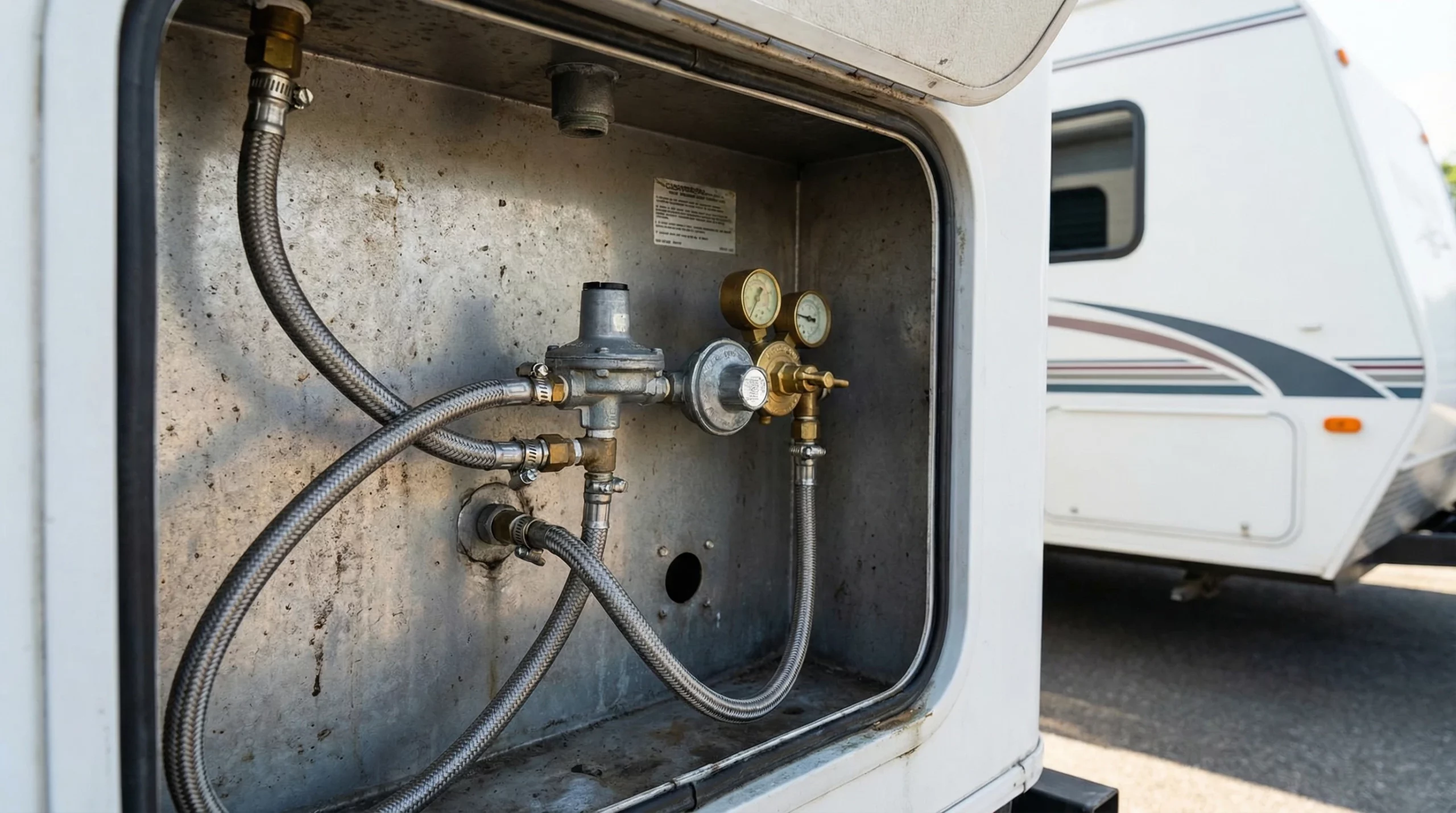
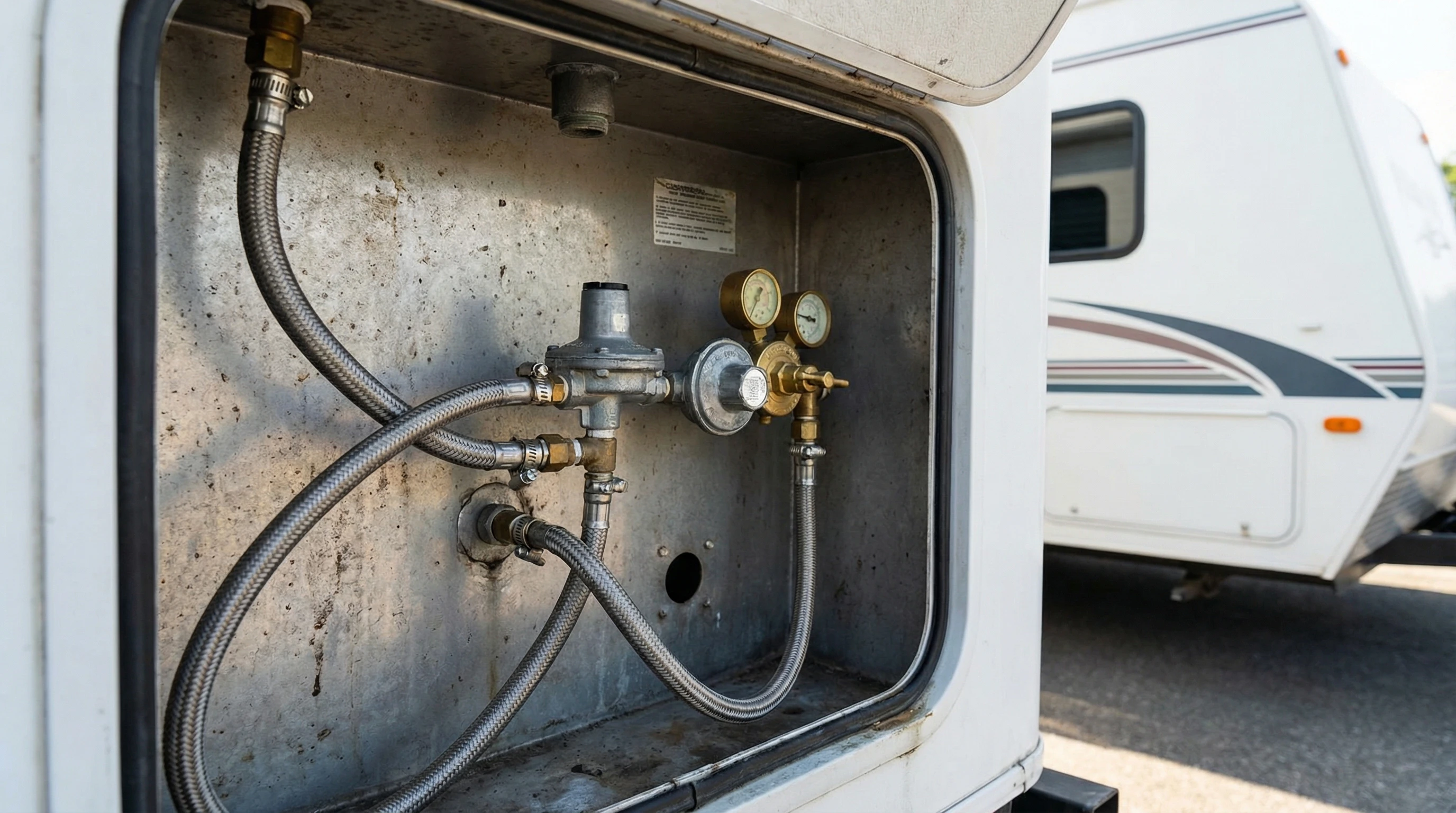
A typical RV propane system centers around one or two tanks mounted outside the coach. Propane flows from the tank, through a regulator that controls the pressure, then out to appliances through a network of hoses. Each appliance—a stove, oven, heater, water heater, or fridge—pulls fuel as it needs it.
- Propane Tanks: These are either DOT cylinders (removable, commonly seen on travel trailers) or ASME tanks (mounted permanently under the frame on many motorhomes).
- Regulator: This component acts like a traffic cop, keeping the propane pressure just right for your appliances. If the pressure is too high or too low, things can get risky.
- Hoses and Fittings: These connect your tank to the RV and distribute propane to where it’s needed. The system is fairly simple but needs to be completely sealed to be safe.
Modern RVs usually include built-in safety devices like automatic shutoff valves or detectors, but they won’t protect you unless you keep them in working order. On top of that, some RV propane systems now have automatic changeover regulators that switch tanks for you when one gets empty, but it’s still on you to check and make sure things are working properly.
Setting Up Propane in Your RV: First Steps and Routine Checks
Propane can be intimidating for new RVers. Here’s a breakdown of things I do whenever I’m heading out on a trip or after I’ve been parked a while:
- Inspect the Tanks and Connections: Take a close look at your propane tanks for rust, dents, or pitting. Make sure the valves open and close smoothly. Check all hoses for cracks, stiff spots, or signs they’re wearing out. Even what seems like minor wear can lead to a leak.
- Test for Leaks: Mix up some dish soap and water, then brush it around the tank connection points after turning the gas on. If you see bubbles forming, there’s a leak that needs to be fixed before you use anything else. Always err on the side of caution — leaks can send dangerous gas into your living area.
- Verify the Regulator: Make sure the regulator looks intact and the vent is clear of debris, dust, or dirt. A faulty regulator is a super common problem and can mean appliances don’t get enough or get too much fuel. It’s often overlooked but is a real linchpin for safe operation.
- Check the Date: Look for the certification date on DOT cylinders. These need to be recertified or replaced every 10-12 years — don’t skip this step, because suppliers won’t refill an out-of-date tank anyway.
- Make Sure Mounts and Covers Are Secure: Tanks need to be held down tightly with their covers in place to avoid bouncing around on the road and possibly damaging the system.
Doing all this can feel like a hassle, but it’s way better than being surprised by a leak or finding out your fridge doesn’t work just after you settle at a remote campsite. Consistency really pays off when safety is concerned. A good walkthrough before each trip will put your mind at ease.
Propane System Dos and Don’ts on the Road
Handling propane in an RV isn’t complicated once you know what to look for. Here’s my tried-and-true list of best practices to keep things simple and safe:
- Turn Off Propane While Driving: Some RVers like to travel with the propane on to keep the fridge going. But just about every safety resource will tell you it’s safer to shut the cylinder valve at the tank while in motion. This is especially important when fueling up, crossing bridges, or passing through tunnels, where open propane valves are sometimes not allowed.
- Check for Leaks Regularly: The soapy water test really works and brings peace of mind. I make a habit of checking at least once a month, and before every trip. Any hint of a rotten egg smell means propane is leaking, so shut things down and find the source quickly.
- Follow Manufacturer Instructions: Each appliance has its own quirks. Make sure you’ve read the manuals so you know how to safely light the stove, water heater, or furnace, and shut them off the right way. Manufacturers often add extra safety tips specific to their equipment.
- Never Use Open Flame or Unapproved Heaters Inside: Only use appliances and heaters that are designed for enclosed spaces. Never use a backyard grill or camp stove indoors — this can lead to extremely dangerous carbon monoxide buildup.
- Keep Tanks Upright: Propane must be stored upright, or the system can get liquid propane instead of vapor. This is dangerous for your appliances and for your safety, so always check tank positions before you travel.
- Store Extra Tanks Outside: Spare gas bottles should always be kept outside the RV, secured where they can’t tip over. Storing them inside your vehicle or under a seat is never safe.
Common Problems With RV Propane and How to Deal With Them
Propane systems don’t cause too much trouble if you keep up with regular checks, but there are a few problems that pop up more often than others. Learning to spot symptoms early keeps you out of sticky situations:
Leaky Hoses or Fittings
The most common issue is a small leak at a hose or fitting. You’ll probably notice a faint gas smell or maybe bubbling on your soapy test. Shut off the main valve, swap out cracked hoses, and tighten or replace any leaking fittings. Don’t try to patch — replacement is always better.
Regulator Settings
If your stove burns yellow instead of blue, or appliances stop working, it might be a sign the regulator needs an adjustment or replacement. Regulators last about 5 to 10 years; if yours is getting old or acting up, time for a new one.
Tanks That Won’t Fill or Empty Properly
If you’re struggling to get a tank filled, or your tank runs empty way faster than expected, double-check the OPD (overfill prevention device) on your cylinder. Sometimes it gets stuck or fails, and your propane supplier can check this for you if you’re unsure.
Clogged Appliance Burner
If your stove or furnace isn’t firing up reliably, the burner might be clogged with debris or spider webs. Cleaning the burner makes a big difference and can get things running again. Regular cleaning ensures continued safety and efficiency.
Key Propane Safety Devices for Your RV
Modern RVs have a few built-in safety devices that make a significant difference. Here are the ones I make sure are working before every season:
- Propane Leak Detector: Usually mounted low to the floor, this device will set off a loud alarm if there’s a leak. Test it every month. Never ignore the beeping, even if it seems random — sometimes cleaning supplies or even a mouse can set them off.
- Carbon Monoxide Detector: Propane appliances produce carbon monoxide. This gas is colorless, scentless, and super dangerous in a small space. Make sure you have a detector (most new RVs come with one) and test it every time you check your smoke alarm. Change batteries and replace old sensors as needed.
- Fire Extinguisher: Always have one close to the kitchen area. Make sure you and your traveling partners know how to use it, and check that it hasn’t expired or lost pressure.
- Exhaust Vents: Keep appliance vents clear of dust or debris, and never block airflow around heaters or furnaces. Blocked vents can result in deadly carbon monoxide buildup.
Best Practices for Filling, Refilling, and Transporting Propane Tanks
Whether you fill your tanks yourself or swap them at a station, there are a few things I always keep in mind for safety and peace of mind:
- Check Dates and Condition: Only refill tanks within their certification date and that show no serious damage or corrosion. If in doubt, talk to your supplier before refilling.
- Transport Safely: Always transport tanks upright and in a well-ventilated part of your vehicle. Never transport propane tanks inside your car or living quarters, as a leak here can quickly lead to disaster.
- Shut Off and Remove: Always turn off the valve and disconnect the tank before travel or swaps. Double-check all fittings when reconnecting to make sure you’re good to go.
- Watch Out for Overfilling: Your tank should have an OPD, but keeping an eye on the filling process is wise. Too much propane leaves no headspace for vapor, which can cause poor appliance operation and risk during temperature swings.
Helpful Upgrades for Safer Propane Use
I’ve found a few accessories really take my peace of mind and convenience up a notch when using propane on the road:
- Propane Level Gauges: Handy, affordable, and let you know before you run out instead of guessing or weighing the tank. Some even have Bluetooth for easy monitoring from inside your RV.
- QuickConnect Fittings: If you love cooking outdoors or using a propane firepit, adding a quickconnect makes set-up safer and much more convenient.
- Upgraded Detectors: If your RV is a bit older, check the manufacture date on your detectors — replacing them every 5 to 7 years keeps you safer. Newer models are more reliable and less prone to false alarms. Plus, advances in technology have made them more sensitive and longer lasting.
Frequently Asked Questions About Propane Safety in RVs
I get a lot of propane questions from folks new to RV life. Here are a few that come up time and again:
Question: Is it okay to leave propane on while driving?
Answer: Most safety experts and propane suppliers recommend shutting propane off at the tank before hitting the road. Some fridge models need propane to work while driving, but using a 12V fridge or adding ice to your cooler for the drive is usually safer and just as effective for short trips.
Question: What does propane smell like? How can I tell if I have a leak?
Answer: Propane is naturally odorless, but suppliers add a scent (like rotten eggs or sulfur) so you can spot leaks. If you ever smell gas, turn everything off, open doors and windows, and get everyone out until you figure out what’s wrong.
Question: How often should tanks and regulators be replaced?
Answer: DOT cylinders need recertification every 10-12 years, and regulators typically last 5-10 years. If you spot rust, dents, or if a regulator starts acting up, it’s best to swap it out promptly.
Question: Do I need carbon monoxide and propane detectors if I only use the stove occasionally?
Answer: Any time you have propane appliances, it’s smart to have detectors installed and working. Even a rarely used stove can develop a leak, and detectors provide a safety net if something ever goes wrong.
Practical Tips for Everyday Propane Use in Your RV
- Test detectors and alarms at the start of every camping season, and again every month during heavy use
- Close the tank valve anytime you’re not using propane or before traveling
- Let professionals handle repairs to regulators or tanks. DIY is fine for hoses and fittings, but not for the pressurized parts
- Never block vents or cover up leaks with sealant. Replace broken parts instead for safety
- Teach everyone traveling with you how to shut off the propane quickly if there’s a problem
- Keep a written emergency contact list and instructions near the propane shutoff in your RV
- Consider running your appliances on electric when hookups are available, saving propane for off-grid stretches
Keeping propane safe in your RV really just comes down to regular checks, using trustworthy gear, and paying attention to the little things. With a few smart habits and ongoing attention, you can enjoy all the creature comforts that a propane system offers while you’re on the road, without worry. Safe travels and happy camping!