
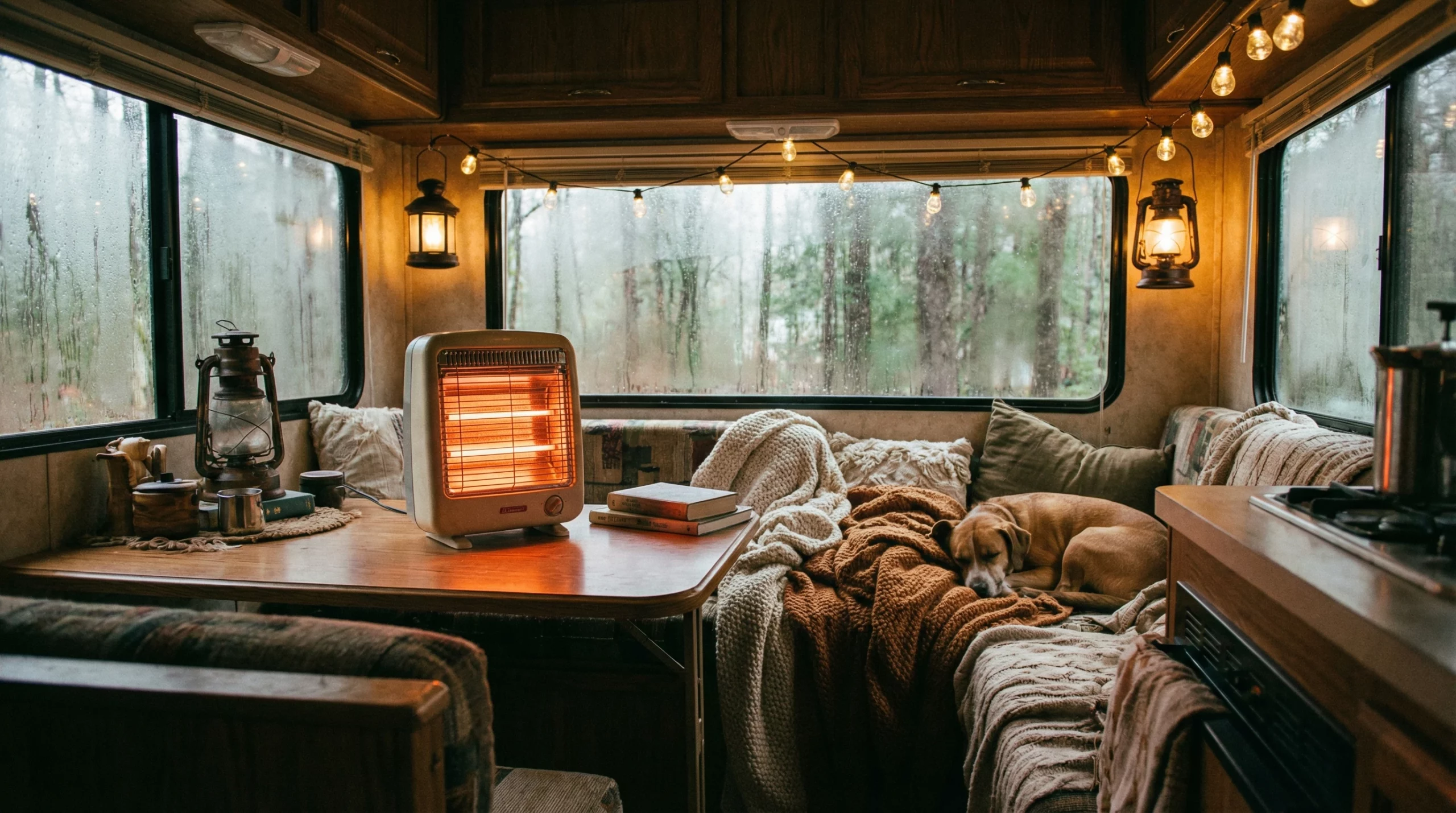
Space heaters are super useful for keeping your RV warm during chilly nights and cool mornings, but these devices pack a punch and require some know-how for safe and effective operation. Tossing a space heater into your RV isn’t a decision to make lightly; proper setup, smart placement, and periodic checks all make a big difference in both comfort and safety. The goal here is to break down what you need to know so you can enjoy a safe and cozy RV atmosphere when the temperature takes a dip.
Why Space Heaters Are Popular in RVs
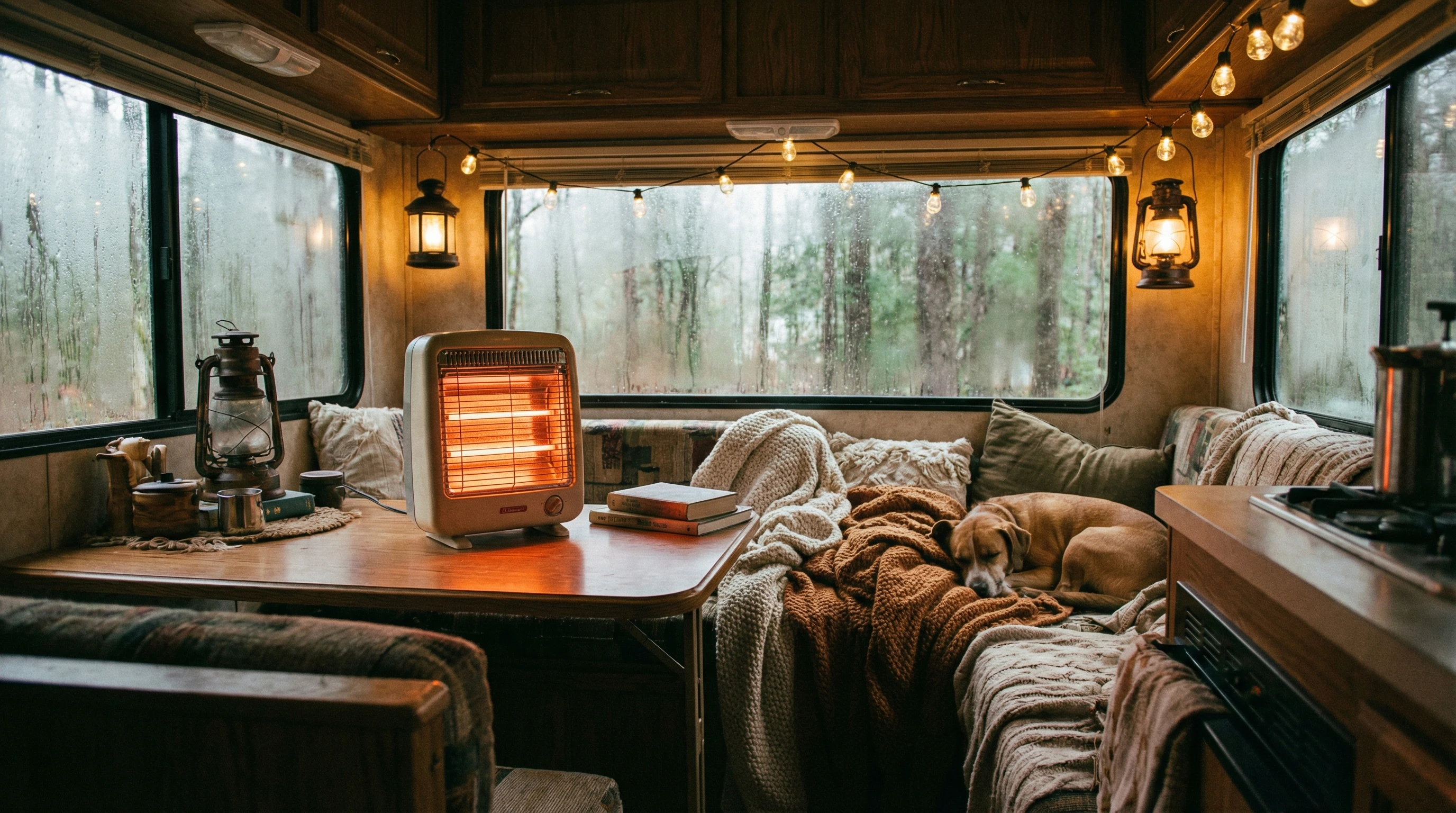
Space heaters have quickly become the popular solution for heating small spaces like RVs. While most new RVs come equipped with their own furnaces, these tend to be loud, burn extra fuel, or wear out battery reserves. Electric space heaters, especially, provide quiet, portable warmth and plug straight into a standard power outlet. That means you can use a space heater on shore power at a campground without using up your propane or stressing your RV’s battery bank. This convenience makes them a top choice for many campers and travelers.
Space heaters can also be moved around on a whim—use one in the main living area during breakfast, then bring it to the bedroom for some extra nighttime warmth. When handled with care and following good safety habits, these small appliances can seriously boost your comfort level on the road.
How Space Heaters Work and Which Types Are Best for RVs
Not all space heaters are created equal, so knowing the main types and how they function will help you make the smartest choice for your needs:
- Electric Ceramic Heaters: These units use electricity to heat ceramic elements, then blow warm air into the room. Most are small and include safety features like automatic cut-offs if tipped over or overheated.
- Oil Filled Radiator Heaters: These heavier heaters warm up oil inside them, radiating heat slowly and steadily. They’re almost silent and keep releasing warmth even after they’re turned off.
- Infrared Heaters: Instead of warming the air, infrared heaters heat objects and people directly. These units are ideal for targeted heating and usually remain cool to touch on their exterior.
- Propane Heaters: Some propane models are designed for use indoors. They heat quickly but need strong ventilation because they produce carbon monoxide.
For RV living, small electric ceramic or oil filled heaters are usually the safest bet. They’re easy to move, come with solid safety options, and don’t require storing extra fuel. Only pick propane heaters if your RV is set up for safe use—with detectors, constant airflow, and never running unsupervised or overnight.
Setting Up a Space Heater in Your RV: Step-by-Step
Getting your space heater ready to roll involves more than plugging it in. Follow these steps:
- Choose the Spot: Place your heater on a hard, flat area—never on bedding, rugs, or mats. Always keep it three feet from things that can catch fire, like curtains or wood furniture.
- Plug In the Right Way: Use only your RV’s built-in outlets. Never use extension cords or power strips; these can seriously increase the risk of overheating or fire. If the cord or plug feels hot, unplug immediately and check for problems.
- Look for Safety Certifications: Reputable products feature trusted labels like UL or ETL, meaning they’ve passed routine safety checks.
- Double Check Amps: Space heaters often draw a lot of power, so make sure they don’t overload your RV’s circuits. Calculate what other appliances are running and avoid maxing out your system.
Everyday Safety Tips for Using a Space Heater
Space heaters work by producing substantial heat, so safe operation in cramped RV quarters is critical. Here are essential safety habits:
- Don’t Leave It Running Alone: Always turn the heater off when you exit the RV, even for short trips.
- Be Extra Careful Overnight: Only use overnight if your heater is designed for it (like some oil filled models). Heat the room before turning in and switch off other heater types while sleeping for maximum safety.
- Keep Kids and Pets Safe: Small heaters are irresistible to pets and little ones. Block the area as needed to prevent accidents or injuries.
- Test Smoke and CO Detectors: Verify alarms are working and replace batteries regularly—especially vital with propane heaters.
- Avoid Drying Stuff on the Heater: Don’t drape clothing or towels over your heater. It’s a major fire hazard and one of the most frequent causes of RV heater fires.
Common Heater Problems and How to Stop Them
RV space heaters come with a few potential hiccups. Here are common issues—and how to steer clear of trouble:
- Blown Fuses or Tripped Breakers: If your heater trips a breaker, it usually means you have too many things plugged in. Put your heater on its own circuit and unplug extra appliances during use.
- Condensation Woes: Warm air from your heater meeting cold RV walls or windows can lead to moisture buildup. Keep a window slightly open and consider a compact dehumidifier to reduce dampness.
- Weird Odors or Smells: Brand new heaters may smell like warm plastic for the first couple of uses, but recurring or burning smells signal dust buildup or debris. Clean the heater regularly (with it unplugged) to keep odors and fire risk at bay.
Must-Have Features in a Space Heater for RV Use
Many modern heaters pack features that make RV living safer and much more comfortable:
- Auto Shutoff if Tipped Over: This keeps your RV safe if the heater gets accidentally knocked off balance by excited pets, bumpy roads, or human error.
- Protection from Overheating: Sensors cut the power if things get too hot inside, helping avoid accidents or fires.
- Adjustable Thermostat: Lets you set your ideal temperature, reducing the chance of overheating or energy waste.
- Timer Function: Responsible for shutting down the heater after a set period so you can warm up your RV responsibly.
Selecting Heater Size and Wattage for Your RV
Pick a heater that matches the size of your RV and your typical climate. Smaller spaces—like a teardrop trailer or van—can use a 750-watt heater. Larger campers often need up to 1500 watts. Always check your RV’s power specs to make sure you’re not pushing your breakers to the brink. Many heaters now include multiple heat settings, which gives you some flexibility to match your needs while keeping power use in check.
Never max out the electrical system. Spread usage across your circuits; consider running the heater on a lower setting during milder weather or at night while under blankets.
What About Propane Space Heaters?
While electric heaters are usually the favorite for most road trippers, propane space heaters are a great backup—especially when boondocking or stuck without shore power. Here’s how to use them wisely:
- Aim for Good Ventilation: Always keep a window or roof vent open to let fresh air in and exhaust out.
- Carbon Monoxide Awareness: Never use a propane heater without an operational carbon monoxide detector on board. This simple device could be a real lifesaver.
- No Overnight or Unattended Use: Never sleep with a propane heater running. Use it beforehand, then bundle up to stay warm through the night.
- Outdoor Propane Storage: Always store backup canisters outside your RV’s living area to prevent leaks and risks.
Getting the Most Out of Your Heater: Power Saving and Comfort Tips
These tips make it easier to stay warm and save energy:
- Seal Out Drafts: Add foam strips or weatherproofing around doors and windows to keep the cold out and warm air in.
- Add Layers: Thick socks, sweaters, and cozy blankets help keep you warm while letting the heater run on lower (and safer) settings.
- Zone Heating: Warm up just the section you’re using by closing doors or putting up curtains. There’s no need to waste energy heating unused rooms.
Making little tweaks in insulation and how you use your heater can dramatically improve comfort and keep your power bills reasonable—perfect for frequent RVers or snowbirds camping during the shoulder seasons.
Lessons from the Road: Real-World RV Heating
After countless nights camping from the windy mountains to damp coastlines, I can promise a space heater is worth its weight in gold. One surprisingly cold night near Salt Lake City, my oil filled radiator kept my 25-foot trailer comfortable while staying whisper-quiet. I’ve learned to appreciate little touches like automatic shutoff and how critical it is to test the plug before each use. Swapping stories in campgrounds about singed carpets, blown fuses, or toppled heaters always reminds me why I never skip safety checks.
My advice: don’t neglect regular smoke alarm tests and always unplug heaters before stepping out. These habits are easy to build and can save you a lot of grief.
Frequently Asked Questions
Question: Can you run a space heater off your RV’s batteries?
Answer: Ordinary electric space heaters burn through a lot of power and will drain typical RV batteries quickly if run through an inverter. It’s best to use these heaters when plugged into shore power or if you’ve got a serious generator setup.
Question: What’s the safest heater option for overnight RV use?
Answer: Oil filled radiator heaters with modern safety features are usually your best bet. Always read the manual and never block vents while the heater is on.
Question: How do I avoid moisture buildup when using a heater?
Answer: Keep a vent or window slightly ajar to let humid air escape. If condensation lingers, a small fan or portable dehumidifier helps to dry things out.
Question: What brands make RV friendly space heaters?
Answer: Brands like Lasko, DeLonghi, and Honeywell are well-known for quality, reliability, and thoughtful safety features, making them a safe choice on the road.
RV Space Heater Quick Safety Checklist
- Put heater on a hard, stable surface away from flammable items
- Plug straight into a built-in outlet (not a power strip)
- Look for any fraying or warmth on the cord/plug each use
- Don’t let it run overnight (unless it’s specially designed for it)
- Watch kids and pets carefully when heater is on
- Test all smoke and carbon monoxide alarms weekly
- Ventilate well if using propane-based heaters indoors
Sticking with these steps will give you peace of mind—and toasty feet—no matter how low the temperatures get outside.
RVing can be far more comfortable when you take control of your little home’s climate. Using a space heater safely and smartly might be the easiest way to keep warm, stretch your propane supply, and ensure those early mornings in camp are ultra cozy. Just remember to treat your heater with respect and care, and you’ll always be ready for whatever the weather throws your way.